
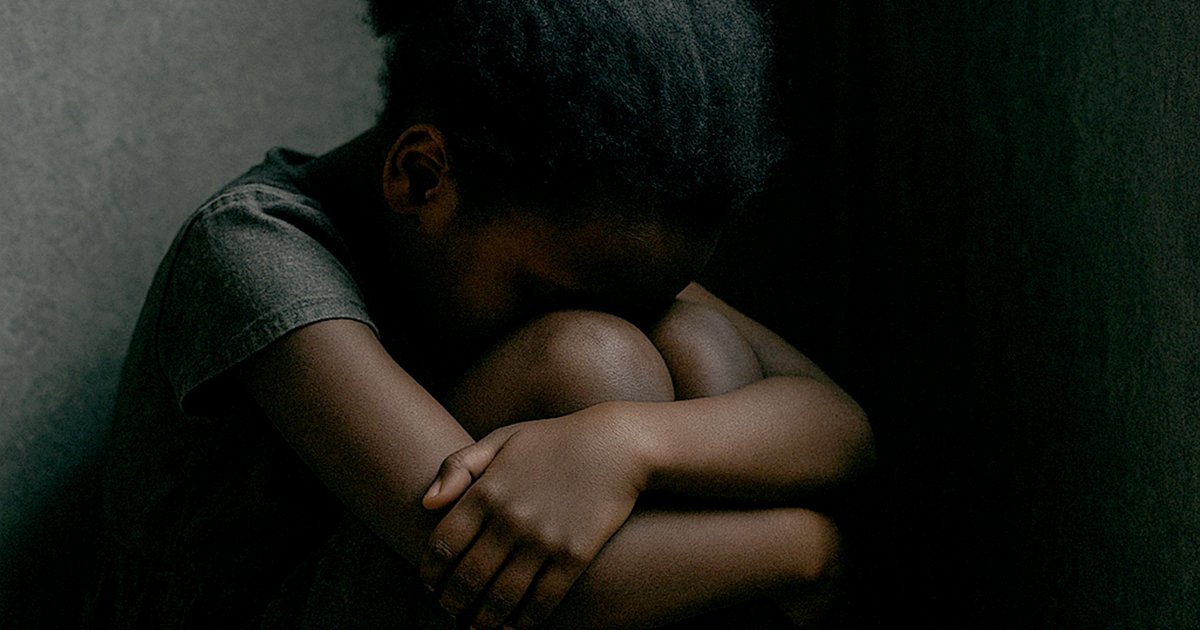
Two recent cases of sexual assault against children in the Vhembe District have reignited concerns about the prevalence of such crimes and the need for stronger community action and judicial reform.
Activists warn that sexual violence against minors remains alarmingly high, fuelled by social inequality and delays in the justice system.
The police are currently investigating two cases that illustrate the severity of the problem.
In the village of Mphaila, near Siloam, a 53-year-old man is in custody after allegedly repeatedly raping two young girls, aged 8 and 11. The incidents are said to have taken place between March and July this year. The suspect, a neighbour, is accused of luring the children to his home on multiple occasions, where he allegedly raped them and showed them pornographic content. The victims, despite being threatened to remain silent, bravely confided in their school teachers, leading to the man's arrest.
In a separate incident in Shayandima, a 14-year-old girl was the victim of a triple rape and kidnapping on Friday, 5 September. According to the police, the teenager left home and did not return until the following day. She reported that her boyfriend had first raped her. Later, while on her way home, she was kidnapped by two unknown males in a blue Toyota Corolla, taken to an unknown location, and raped by both before being released.
In response to these cases, Practical CBO Development Solutions (PRACSOL) has issued a warning about the pervasive nature of sexual violence against minors in the region. Ms Tshivhase Nkhumi, a PRACSOL board member, stated that the problem was driven by a toxic mix of social, cultural, and economic factors.
"Deeply rooted gender inequality and cultural norms also play a role. In some communities, men are still viewed as superior and entitled to sexual access, while women and girls are unfairly burdened with controlling men's sexual desires," Nkhumi said.
She highlighted significant barriers to reporting such crimes, including fear of perpetrators, intimidation, and in cases of incest, fear of family shame. Survivors are further discouraged by a legal system Nkhumi describes as "long and slow," with cases often taking years to reach court.
"Survivors become restless and lose hope when cases drag on for years," she said, proposing dedicated sexual offences courts and opposing bail for perpetrators of such crimes.
The Limpopo police, when approached for comment on the trends, emphasised their structured approach to releasing crime statistics on a quarterly basis. A police spokesperson acknowledged the unique challenges in handling cases involving minors.
"Dealing with minors needs skills and expertise … sometimes you will find that the child is too emotional and cannot really remember what exactly happened," the spokesperson said, explaining why such complex cases can take time to prosecute.
The police outlined their prevention strategy, which includes working closely with the Departments of Education and Social Development to identify problematic schools and conduct awareness campaigns. They also stressed their commitment to opposing bail for sexual offence suspects and ensuring victim safety by moving them to places of safety if the perpetrator is still at large.
However, Nkhumi's final plea was directed at every member of the community: "Any person who knows that a sexual offence has been committed against a child must report it to the police. Failure to report is an offence — if you don't report [it], you become part of the problem, not the solution."