
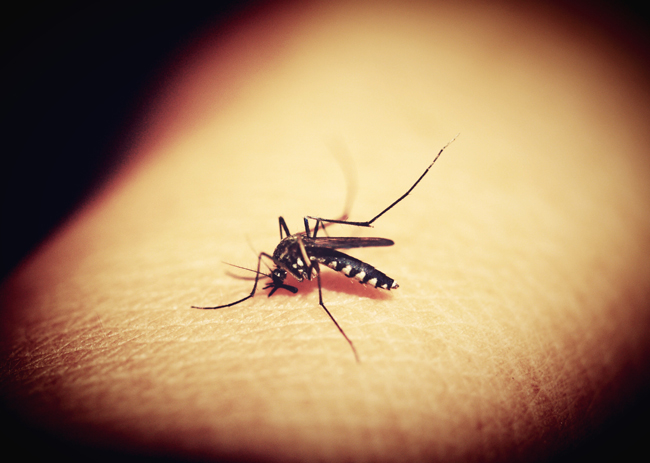
The Department of Health issued an urgent malaria alert on Tuesday.
"High numbers of malaria cases are being reported in the malaria transmission areas (Vhembe and Mopani districts) in Limpopo (including some cases on farms along the Lephalale River, Waterberg) and in Bushbuckridge in Mpumalanga province. Compared to previous years, a modest increase in cases in the Kruger National Park and private reserves in the area has been confirmed. This follows a very busy 2017 malaria season in the entire southern African region, which peaked in April and May and extended into June," states the department in a media release.
The department says that high rainfall, humidity and ambient temperatures have provided ideal conditions for malaria mosquito breeding and contributed to an increase in malaria cases. "Unusually mild winter temperatures in malaria areas have allowed for ongoing mosquito and parasite development and led to an early and busy malaria season, which started already in August 2017," says the department.
According to the department, the key prevention strategy of the malaria control programmes in endemic areas is the spraying of households with long-acting residual insecticides (IRS) that target indoor-feeding mosquitos. This IRS programme is in progress in both Limpopo and Mpumalanga and is planned to target a larger area than in 2016. "Early treatment of malaria cases is a key strategy. The antimalarial drug Coartem remains highly effective in the treatment of uncomplicated malaria, provided there is early diagnosis and urgent commencement of treatment," says the department.
The department urges travellers from or residents of malaria-transmission areas (including Limpopo and Mpumalanga, and the far northern KwaZulu-Natal and neighbouring countries such as Mozambique, Botswana, Zimbabwe and Namibia) who present fever and 'flu-like' symptoms to treat malaria as a medical emergency and have their blood tested. "Misdiagnosis of malaria as influenza is not uncommon, with disastrous consequences in a number of persons," warns the department.
Travelers from non-endemic areas to malaria-endemic areas and countries are vulnerable to the disease and need to take preventative measures. Malaria symptoms appear within 10 to 15 days after the infective mosquito bite. The symptoms include fever, headache, chills and vomiting. Early malaria diagnosis and treatment reduces disease severity and prevents deaths. "If people suspect that they have malaria, they should immediately consult their health-service provider to be tested and treated. If not treated within 24 hours, malaria can progress to severe illness and death. Individuals are therefore advised to take personal protection methods when visiting malaria-endemic areas within and outside South Africa," says the department.