
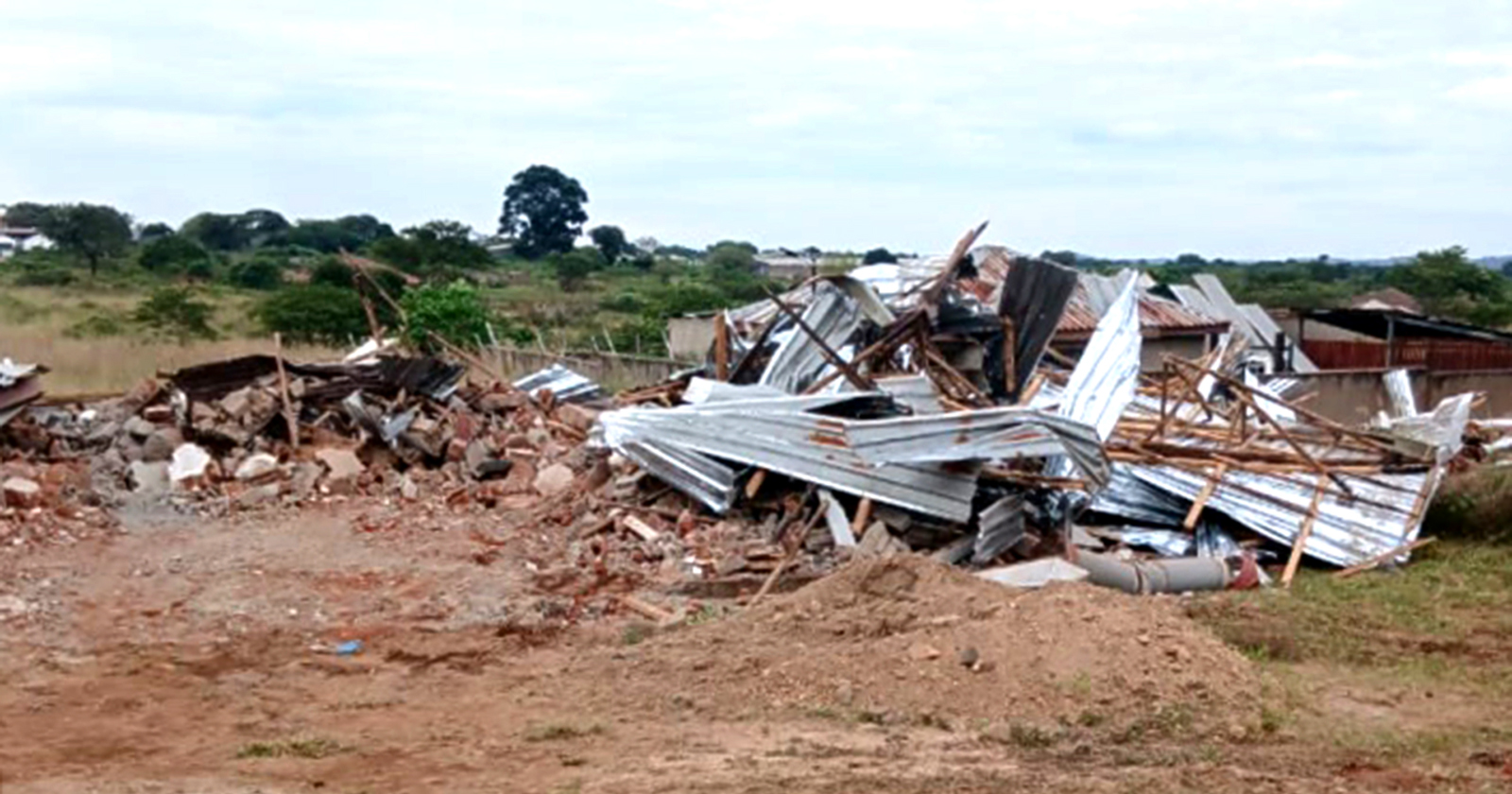
The dozens of families whose homes were demolished by Thulamela Municipality a month ago may well be collateral damage in a broader dispute between municipalities and traditional leaders over the demarcation of sites.
On 17 April this year, Thulamela Municipality demolished more than 100 houses in Shayandima and Muledane. The structures were built on what is described as municipal property, for which no permission had been granted. Many of the occupants argued that they had received Permission to Occupy (PTO) letters from the traditional leader.
The demolition was widely criticised and culminated in a case that is still before the Thohoyandou High Court. The displaced residents approached the court for urgent relief, and on 24 April it ordered the municipality to provide alternative accommodation. A few dozen displaced families have since been sheltered at Makwarela Stadium.
The episode has prompted Thulamela Municipality to set out more clearly the processes governing land allocation and the respective roles of municipalities and traditional leaders.
However, traditional leaders, such as Vhokhotsimunene Vho Avhakholwi Tshivhase, maintain that proper processes were followed by the displaced families and that the Traditional Council had the authority to make the land available on which the families built their houses.
The municipality will decide
In a series of infographics distributed on social media, the Thulamela municipality explains the process of land acquisition and the demarcation of sites in traditional areas. It states that traditional leaders must first submit applications to the municipality before any residential or business sites may be demarcated. Only after such an application has been processed and approved may the relevant Traditional Council issue PTO letters. In the case of business sites, the Traditional Council should issue a letter of recommendation, which the municipality will then consider.
When land falls within a municipal proclaimed area (such as Shayandima), the process for acquiring land is also set out. “The municipality will, from time to time, identify areas deemed suitable for the demarcation of residential and business sites. Thereafter, the municipality will appoint a registered land surveyor to undertake the subdivision of the identified land. Upon approval of the general plan by the Surveyor-General’s Office, the sites will be considered ready for disposal. The municipality will then implement the approved disposal methods in line with its disposal policy,” the infographics state.
Such land may be disposed of through various means, including public auction. Once a new owner has paid for a site, a deed of grant is issued.
The municipality also sought to dispel what it described as common misconceptions, including that Thulamela Local Municipality owns no land and that all land belongs to traditional leaders.
“A portion of the land was historically proclaimed by the former homeland government under the Department of Land Tenure. Municipal proclaimed areas exist to ensure that land development, settlement planning, service delivery and governance happen in an organised, lawful and sustainable manner within the jurisdiction of the municipality,” it said.
“Our children are suffering”
For the dozens of families removed from what they say were unlawfully occupied sites, there has been little relief.
Following the court order, many were moved to Makwarela Stadium, where they are staying in change rooms originally intended for sports teams and not for human habitation.
Residents who spoke on condition of anonymity said conditions are becoming unbearable, with children bearing the brunt of the disruption. According to affected families, some learners have missed school due to a lack of transport.
“Our children are suffering the most,” said one parent. “Some have already missed classes because there is no transport. We fear they will fall behind with their schoolwork.”
Parents say the cramped conditions have stripped families of dignity and privacy. “We are staying in change rooms meant for players. It is painful and humiliating,” said another resident.
The displaced families also raised safety concerns, describing the stadium as poorly maintained and surrounded by overgrown bushes that expose children to danger, particularly at night. “The place is not safe for kids. There are bushes everywhere and we constantly fear for their safety,” said a mother.
The families thanked lawyer Terrence Maluleke and Economic Liberators Forum of South Africa president Hulisani Mani for assisting them.
Emotionally exhausted and uncertain about the future, they are appealing to government departments, humanitarian organisations and local leaders to intervene urgently and provide proper accommodation and support services.
Get permission before you build
Meanwhile, Thulamela Municipality has maintained its stance, urging residents to follow legal procedures when acquiring land. In a statement, the municipality said ongoing illegal land occupation and unapproved developments continue to create disputes that often end in demolitions.
It urged residents to first identify the type of land, consult the relevant authorities and secure all required approvals before any development takes place.
Municipal officials added that they remain committed, together with traditional authorities and government departments, to ensuring orderly development and sustainable human settlements across the municipal area.
When interviewed this week, Vhokhotsimunene Tshivhase said the land belongs to the Tshivhase people. “We are fully behind the displaced people as we are the ones who gave them the land. We have also written a letter to the municipality requesting documents to prove their ownership of the land, but they have not yet responded. I won’t dwell much on this as the matter is in the hands of the court,” he said.
Lawyer Maluleke said a further five families would also be provided with accommodation. “We were in court yesterday and, due to some outstanding issues, the matter was postponed to 1 June 2026. So far, we are happy with the way things are going. We know for a fact that temporary shelter will never feel like home, but this is the best we can do for them now while working towards a permanent solution,” he said.