
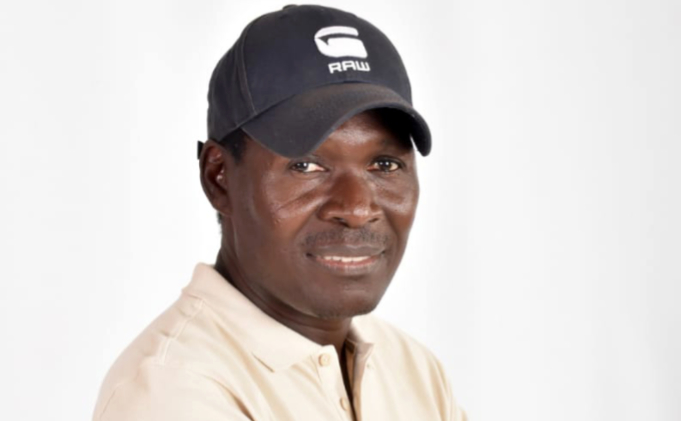
Legendary Tshivenda soul music maestro Tendani Philip Nephawe is addressing an entirely different societal issue with his latest single: the abuse of vengeful protection orders. He believes these orders are being used to silence and manipulate men.
Nephawe, better known in the entertainment world as Mutendas, officially launched his new single, Protection Order, on Saturday, 21 December last year.
In this project, Mutendas enlisted long-time confidantes and musicians, including keyboard wizard Themba Junior Shinyori Chauke and popular Tshivenda musician Ishy Malala.
Themba Chauke needs no introduction in the music industry. He is the brains behind his musician father Thomas Chauke's highly successful band, Shinyori, and is also a recording artist in his own right. Malala, known for timeless hits such as Masakhane and Mudia Dzhomboro, which were national anthems during their time, brings his expertise to the track. The new single was recorded at Chau Studio.
With 30 albums to his name and nearly 25 years in the music industry, the veteran musician regards this latest single as one of his masterpieces. "I have produced many hits over the years, but I feel this one stands out. I put a lot of effort into it, and for three days I couldn't sleep, trying to come up with fresh ideas. I have worked with Themba for years, and I know his capacity and ability, which contributed to the success of the project. It's always a pleasure working with him. Having Tshivenda music guru Ishy Malala on board is an added advantage for this new single. His vast experience on the Tshivenda music scene is invaluable. Together, we're bringing back the good old vibe to our fans. It's Song of the Year material, and we hope the fans will embrace and love it," he said.
He added that his new single carried a powerful message. "Protection Order speaks to the plight of people who are wronged and end up being served with protection orders to silence them. This is tearing families apart and is a sad scenario many people face daily, particularly those who cannot afford lawyers. People are rendered voiceless due to poverty. In the end, those denied a voice may make the worst decisions, which could result in violence. We urge residents to resolve their differences amicably, rather than resorting to protection orders," Mutendas said.