
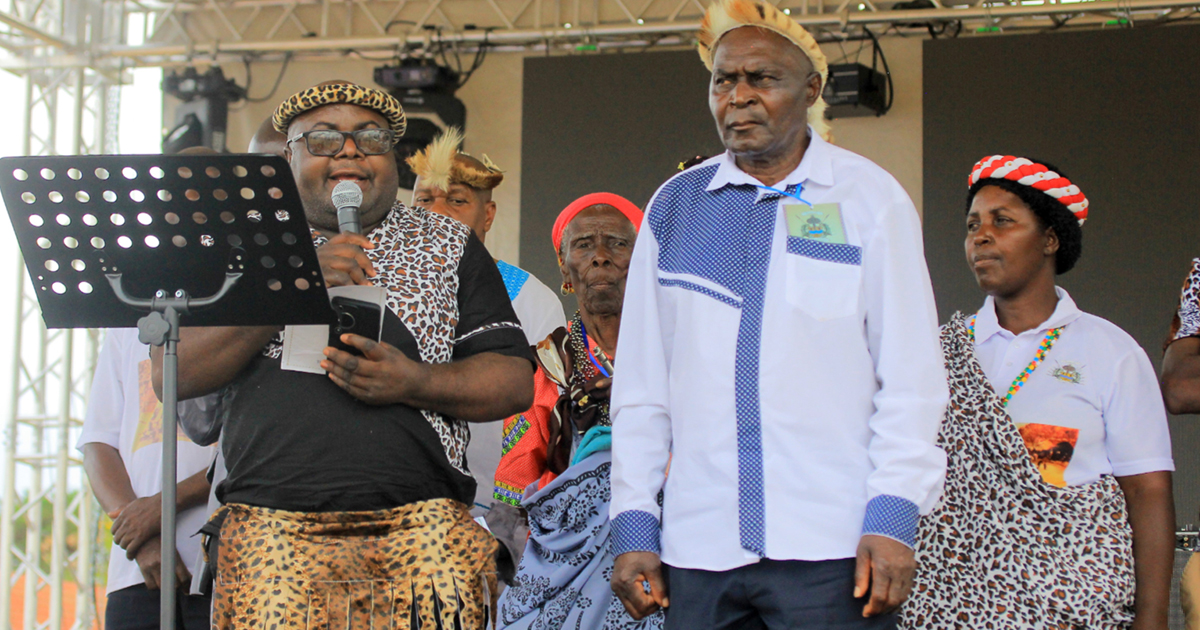
Elim came alive on Saturday, 11 October, as thousands gathered at Elim High's sports grounds for the annual Njhakanjhaka Day, a celebration of heritage, culture, and leadership. The event encouraged the community to turn history into action, promoting education, development, and meaningful change.
Njhakanjhaka Day honours the Njhakanjhaka family's leadership, celebrates community achievements, showcases development projects, and encourages residents to preserve their culture. Attendees enjoyed traditional performances, including xibelani and makhaya dances, and xigubu drumming.
Guests included Makhado Mayor Dorcus Mboyi, traditional leaders such as Thovhele Gole Mphaphuli, and Professor Joseph Francis, head of Univen's Institute for Rural Development. Speakers urged the community to leverage ancestral legacies to promote education, empower the youth, and drive local development.
University of Limpopo lecturer Vonani Bila said the celebration should inspire practical action. "We must understand our history and use it to transform our communities. Chiefs can be vehicles of development, and cultural events like this challenge poverty and drive progress," he said.
Hosi Hlekani Mkhari Njhakanjhaka III praised supporting organisations, including the Light Giving Foundation and Elimites Brotherhood Club, and recognised local heroes with certificates for their contributions. A scholarship in honour of researcher and activist Dr Languta Alpheus Manghezi was also announced to promote education in the region.
The Mukhari lineage began with Hosi Njhakanjhaka, who migrated from Mozambique to Lydenburg before settling in Spelonken (now Elim). Around 1873, he granted land to Swiss missionaries, where Lemana Historical College, Elim Hospital, and Elim EPC Church were later established. Initially opposing Christianity, Njhakanjhaka eventually converted while upholding traditional values. Leadership passed through his descendants to Hosi Njhakanjhaka III, the current chief.