
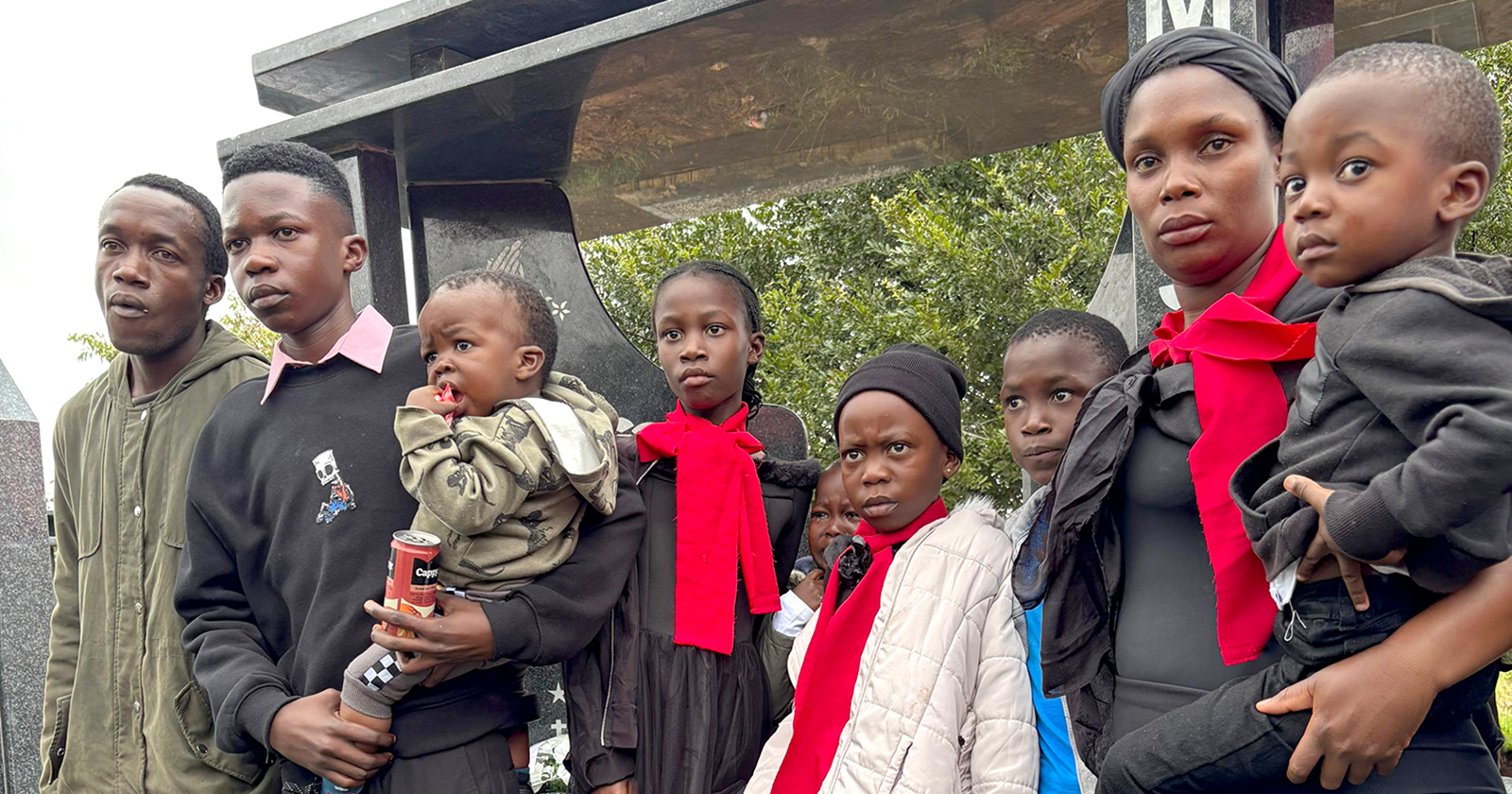
The haunting sound of Hogo, the trademark song of traditional initiation schools, echoed across Muraga village outside Thohoyandou from Friday night into Saturday, cutting through the silence of mourning and binding a community in ritual, respect and unanswered questions.
It was no ordinary farewell. The powerful chants characterised the night vigil and funeral of renowned initiation surgeon Mashudu Mugwedi (33), a figure revered across villages stretching as far as Malamulele. Even in death, he was honoured as he had lived — through sacred tradition.
Mugwedi was laid to rest at the local Muraga cemetery on Saturday, 25 April, in a ceremony steeped in the customs of initiation schools. Hundreds of people, including family, friends, initiates and community members, gathered for the burial, together with local traditional leader Vhamusanda Vho Ntikedzeni Muraga Mphaphuli, who addressed mourners.
The atmosphere was both solemn and electric, as initiation songs rang out through the night and into the burial service.
But beneath the cultural reverence lies a cloud of suspicion. Mugwedi disappeared without a trace on 6 April. For eight agonising days, relatives and community members searched desperately. Then came the grim discovery: a decomposing body hanging from a tree on a farm in Hasidou village on 14 April. A farm caretaker, following a foul smell he initially thought was that of a dead animal, made the discovery.
What followed only deepened the mystery.
The next day, Mugwedi’s family found his clothing and keys at the scene — details they say do not add up. They firmly reject the suggestion of suicide, pointing instead to signs they believe indicate foul play.
Speaking after the funeral, his sister, Ms Fhumulani Mugwedi, described a man deeply committed to his calling.
“He did a splendid job serving communities and honouring the ancestors through successful initiation schools,” she said. “We gave him a funeral that reflects that calling.”
In line with tradition, Mugwedi was buried before the formal service on Saturday.
“This is an age-old tradition in the family. In the case of my late father, we buried him around 3am and the community joined us later for the unveiling,” she said.
Fhumulani thanked the community for supporting the family, especially their traditional leader, whose support she said had been unwavering. While the family finds comfort in the rituals that laid him to rest, the pain of uncertainty lingers.
“We still have many unanswered questions,” she said. “We are leaving everything in the hands of the police to uncover the truth.”