
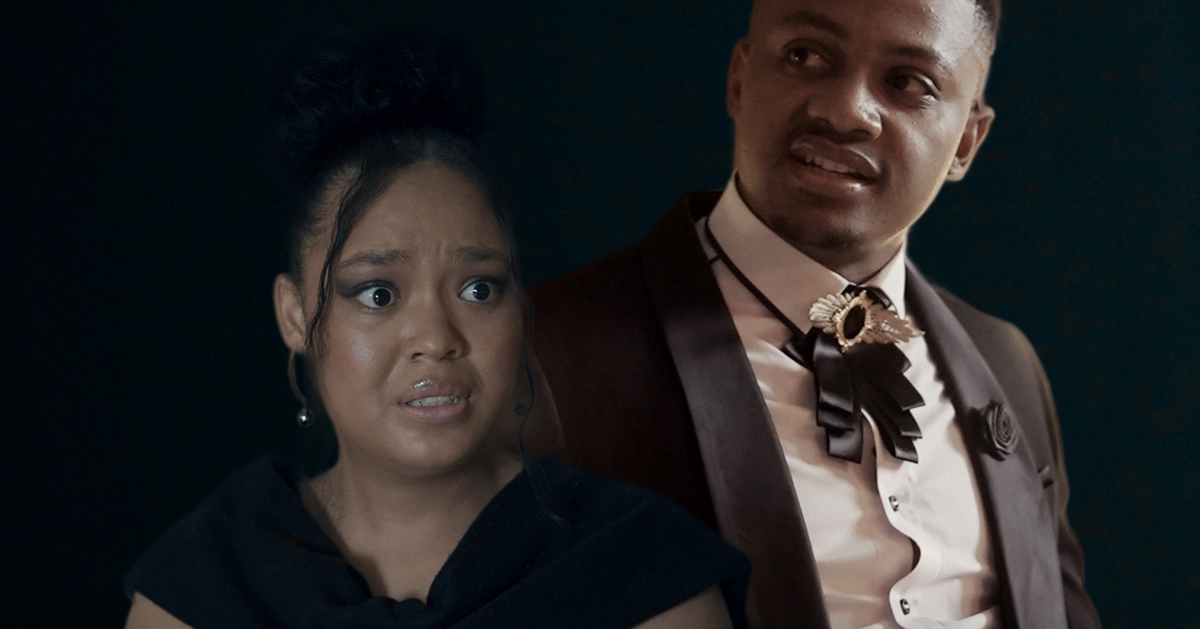
A locally produced film from Mapapila village outside Malamulele has gained international attention after being selected for the Hollywood African Cinema Connections (HACC) Festival, held recently in Cape Town. The film, titled #Justice4Mbali, was chosen under the theme "Women Empowerment".
The film was written and directed by Nkosana Kalaote and produced by Javu Maluleke AJ under Yinhla Productions, a company they founded in 2015. While the company has produced several films before, this is the first to receive international recognition.
Three of Yinhla Productions' films — Swihluke swa Vatsonga, Xivandza Nyongeni and Hlolwa — have been broadcast on national television since 2016. But Maluleke said #Justice4Mbali's selection for an international platform brought a new sense of fulfilment.
Kalaote, who studied digital film production at the SAE Institute with a scholarship from the Leaders In Motion Academy (LIMA), said seeing their screenplay reach this stage proved the hard work had paid off. The story behind #Justice4Mbali was inspired by real conversations about gender-based violence and how victims are treated when the abuser is a well-known person.
"We saw how, when someone famous is accused of rape, the victim is doubted. Often, they're not even looking for justice — just someone to listen. The film also touches on the broader definition of rape, including when a person is intoxicated and cannot consent. This is often ignored or normalised in society," Kalaote said.
#Justice4Mbali tells a story that resonates everywhere — from rural villages such as Mapapila to urban towns. The filmmakers hope it inspires others in Limpopo to think beyond provincial borders and reach wider audiences.
Maluleke said many South African films struggled to gain visibility. The team began planning the film's distribution long before writing the first page of the script. Even before finalising the story or characters, they had a clear plan for the film's journey.
Funding came from government grants, including the National Film and Video Foundation (NFVF) and the Gauteng Film Commission. The team started developing the idea in 2021 and prepared for years before filming began. "We worked with recent graduates, so we had to transfer skills while making the film. It was tough, but we pulled together," he said.
He believes this recognition could open doors for more filmmakers from Limpopo. "This and Lubunyu, which recently won at the Cannes World Film Festival, prove that rural filmmakers can go far."