
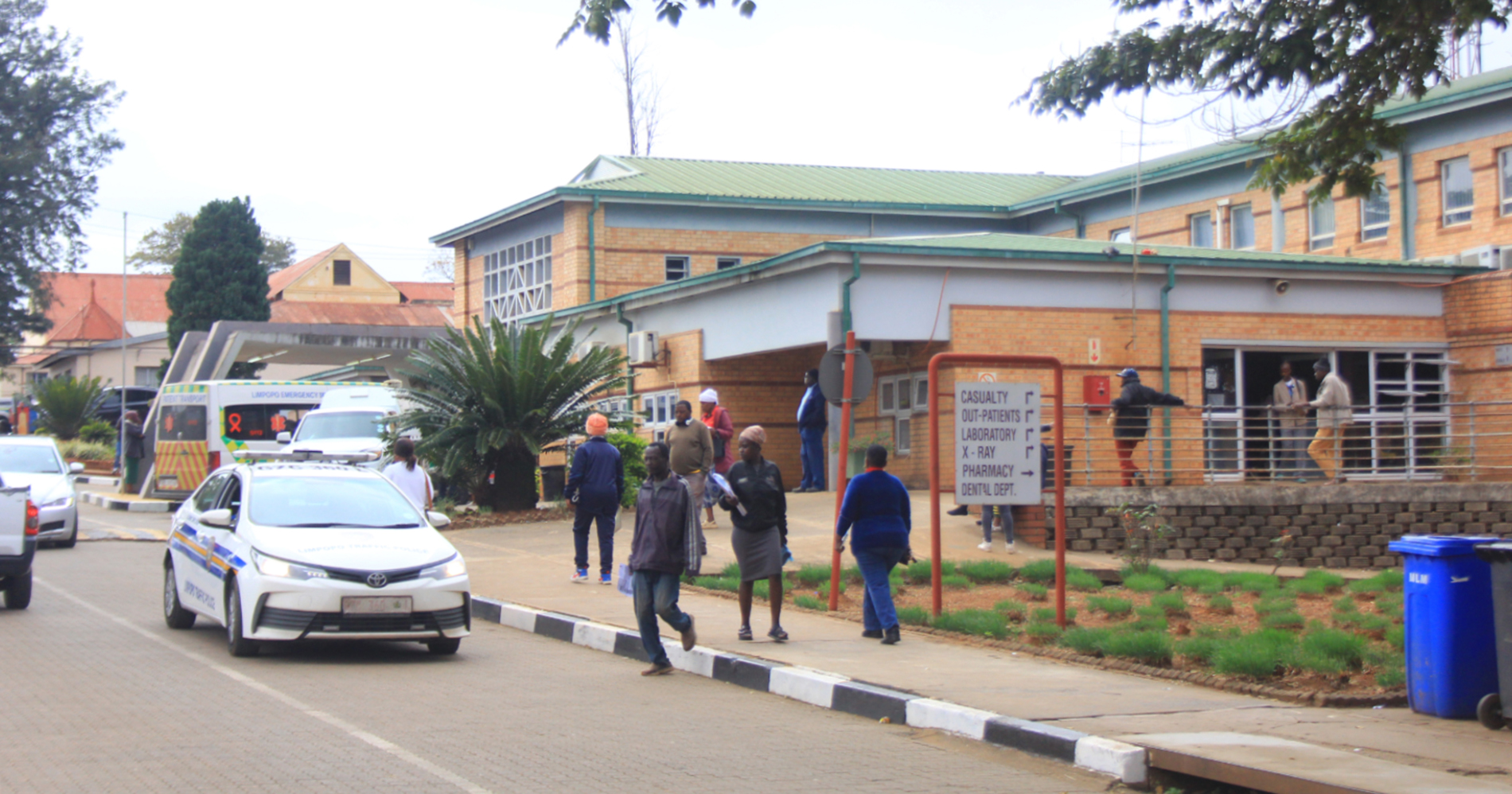
Limpopo’s Department of Health has outlined measures to cut long clinic queues, improve ambulance response times, and upgrade struggling facilities in the 2026/27 financial year.
Announced on Wednesday, 1 April, the plan aims to improve patient experience by reducing waiting times, enhancing cleanliness, and ensuring the availability of medicines at clinics and hospitals. Health MEC Dieketseng Mashego said the focus would be on practical improvements. “This financial year is about action, accountability, and improving the lived experience of every patient who walks into our facilities,” she said.
To reduce waiting times, the department intends to improve patient flow and strengthen triage systems, allowing patients to be seen faster and directed to the appropriate care. Clinics will be encouraged to handle more primary healthcare cases, easing pressure on hospitals.
Emergency Medical Services will be reinforced, with particular attention to reducing ambulance delays in rural areas. Facilities are set to be upgraded, essential medical equipment provided, and staff working conditions improved through better placement, support, and skills development.
Prevention programmes will also be expanded to encourage early healthcare-seeking, helping to reduce patient load. Mashego emphasised that improving the system would require both government action and community cooperation. Details on funding and implementation are expected during the department’s budget vote later this month.
The announcement follows ongoing complaints from residents across the province about overcrowded facilities, delayed ambulances, and shortages of basic resources. Limpopo Mirror previously reported on issues at clinics in Elim, where patients described long queues, slow service, and poor staff conduct. At Mpheni Clinic, which serves several villages including parts of Valdezia, only three nurses were on duty, leaving patients to wait from early morning until afternoon.