
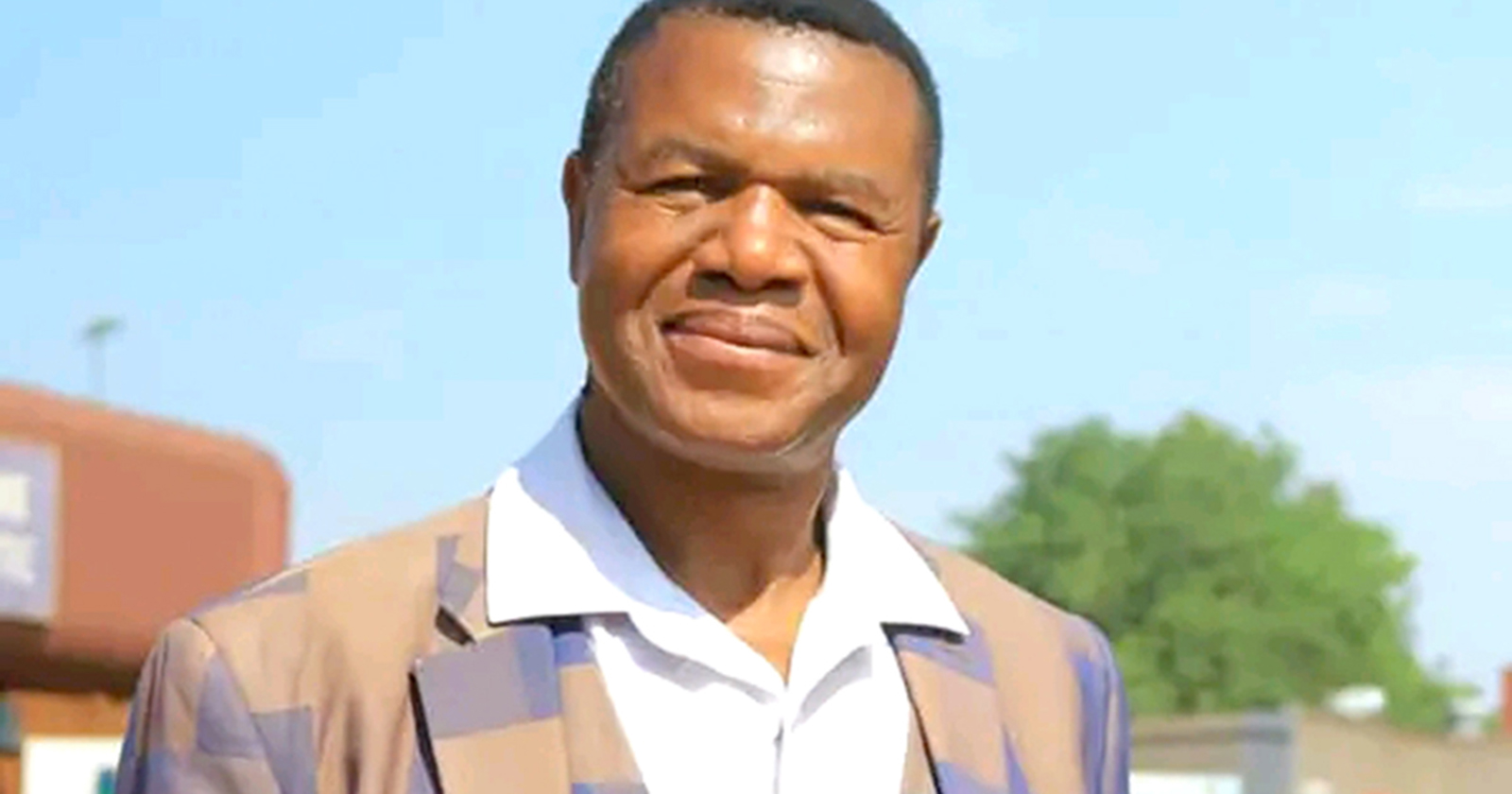
After a string of postponements and a controversial removal from the court roll, the long-awaited rape trial of Bishop Roxley Masevhe is now set to begin on 27 August this year, nearly three years after his arrest, in a case that has gripped and frustrated the Vhembe community.
The popular musician and founder of Fire Temple Ministries in Itsani appeared for a pre-trial hearing at the Thohoyandou High Court, sitting at Waterval Magistrate’s Court, on Monday, 4 May. While his defence team indicated readiness to proceed, the matter was scheduled for trial later this year.
Masevhe stands accused of raping a 17-year-old Grade 12 learner at the time. The alleged abuse is said to have begun in January 2023 and continued until the victim reported the matter in early January 2024.
He faces multiple counts of rape, forming part of an initial 11 charges that were provisionally withdrawn in July 2024 due to outstanding aspects in the National Prosecuting Authority’s (NPA) investigation. The charges were later reinstated, reviving public interest and concern around the case.
Masevhe was arrested on 8 January 2024 and subsequently released on R20,000 bail by the Thohoyandou Magistrate’s Court. A previous trial date set for September 2025 did not proceed, adding to the growing list of delays that have drawn criticism from community members and political figures.
Democratic Alliance senior official and human rights activist Ms Thelma Marole expressed deep frustration over the prolonged legal process.
“This case started in January 2024, and nearly three years later, the victim, her family, and the community are still waiting for justice,” she said.
Marole said the repeated delays are troubling and risk eroding public trust in the justice system. She added that many people have already lost track of the case because of how long it has dragged on. She said the courts must determine guilt, but warned that prolonged delays risk a miscarriage of justice.
“We are not saying he is guilty, that is for the court to decide. But we want to see justice being done, and done without unnecessary delays,” said Marole.