
Several sports stadiums in the northern parts of Vhembe — built at a cost of millions — are now lying idle and have become targets of vandalism. The reasons range from poor maintenance and lack of security to unresolved land disputes between traditional leaders.
The stadiums, constructed in phases, are located in Muswodi, Madimbo, Ha-Manenzhe and Masisi.
The Madimbo Stadium, completed in 2013, stands as a stark symbol of wasted public resources. When Limpopo Mirror visited the site on Saturday, 18 July, it resembled a deserted army base. There was no gate, no toilets, and the playing field was virtually indistinguishable from any ordinary rural ground.
The stadium's light fittings have been stolen, ablution facilities vandalised, and there are no visible change rooms or proper facilities for athletes or spectators.
Some Madimbo residents declined to speak to the media, expressing frustration and resignation. They said there was no point in raising concerns as the municipality continued to ignore their pleas for employment and service delivery.
A food hawker operating about 200 metres from the stadium discouraged her customers from speaking to journalists, fearing they could be victimised and denied future job opportunities. "Why should you talk to the media when you're not even working? If people from the municipality see you in the newspapers, they'll never hire you," she said.
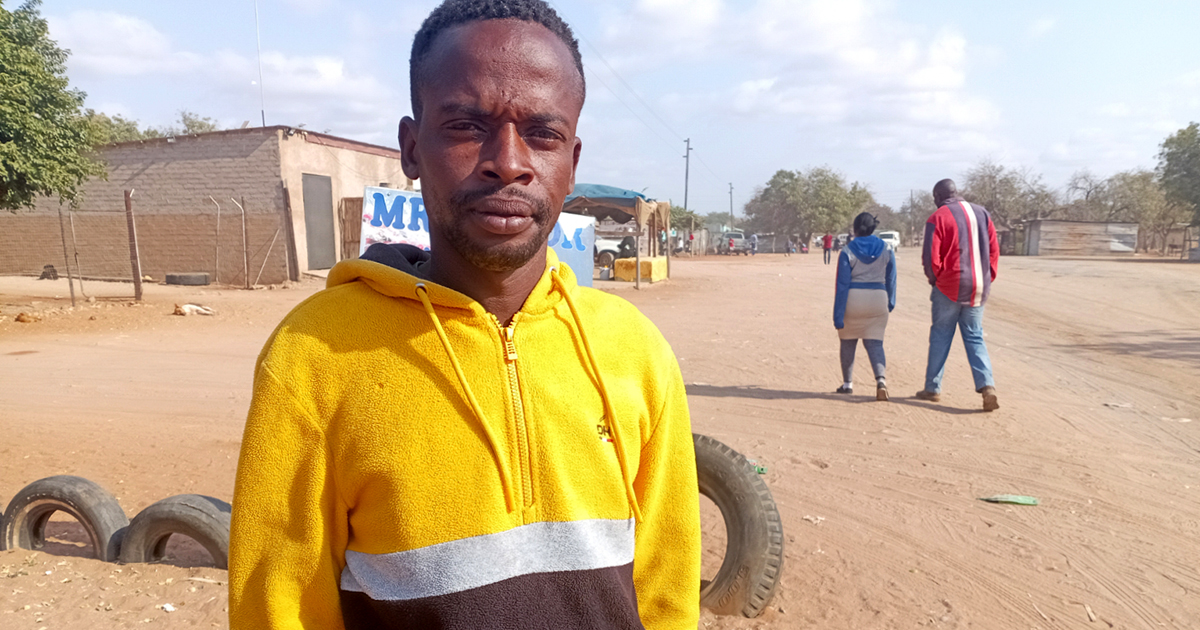
However, one customer, Mr Mpfariseni Managa, was willing to speak. He said the stadium began to decline when the private security company originally hired to guard it withdrew. Vandalism quickly followed, with light fixtures stolen and the borehole damaged. "Instead of hiring us — the local residents — to guard the stadium, the municipality just abandoned it. That's why it ended up like this," he said.
Managa believes the stadium could have been a valuable asset for the youth, offering a constructive outlet through sport and keeping them away from alcohol and loitering.
Democratic Alliance councillor at Musina Municipality Mr Mashudu Joseph Mariba said Madimbo Stadium had officially been declared completed and ready for use in 2013. He said he had received information from fellow members of the Municipal Public Accounts Committee that more than R41 million had been allocated for its construction.
"The stadium was built in two phases. The first phase started in April 2010 and was completed in February 2013, costing R41 million," he said. "The second phase, which involved installing lights and building toilets, cost a further R1.58 million."
Mariba said the DA was calling for a forensic audit into the project to hold those responsible for the mismanagement and lack of maintenance accountable. "We cannot allow a situation where we spend millions on infrastructure, only to neglect and abandon it," he said.
Musina Municipality's spokesperson, Mr Wilson Dzebu, disputed the figures, stating that a total of R31.79 million was spent on the four stadiums. He said Madimbo Stadium had been completed in two phases: the first was handed over in February 2013 and the second in February 2017.
The Manenzhe Stadium was completed in October 2021, while the Masisi sports facility was finished in April 2023. "The Muswodi Sports Facility project remains on hold, due to an ongoing legal dispute between traditional authorities. Until the matter is resolved, the municipality cannot proceed with construction," Dzebu said.
He acknowledged the vandalism at Madimbo and said the municipality had plans to renovate the facility during the 2026/27 financial year. "A long-term maintenance programme will be implemented, and once operational, the stadium will be secured with appropriate control measures, including the deployment of security personnel," he said.
A source close to the Muswodi Traditional Council, speaking on condition of anonymity, said problems had begun after a fence had been erected around the construction site. The area is subject to an ongoing land dispute between the Thengwe and Folovhodwe traditional councils. According to the source, the Thengwe Traditional Council halted the project, claiming the stadium was built on their land without prior consultation — even though the land reportedly falls under the Folovhodwe Traditional Council.
He added that an attempt was made to involve the MEC for COGHSTA, who visited the site but was unable to mediate a resolution between the two traditional authorities. "We are now waiting for the senior traditional leaders to resolve the issue, so that construction can resume," he said.
Dzebu again appealed to residents to safeguard public infrastructure. "The damage, theft and abuse of community facilities undermine development and service delivery. We call on all stakeholders to work in partnership with the municipality to protect these assets and prevent further vandalism," he said.