
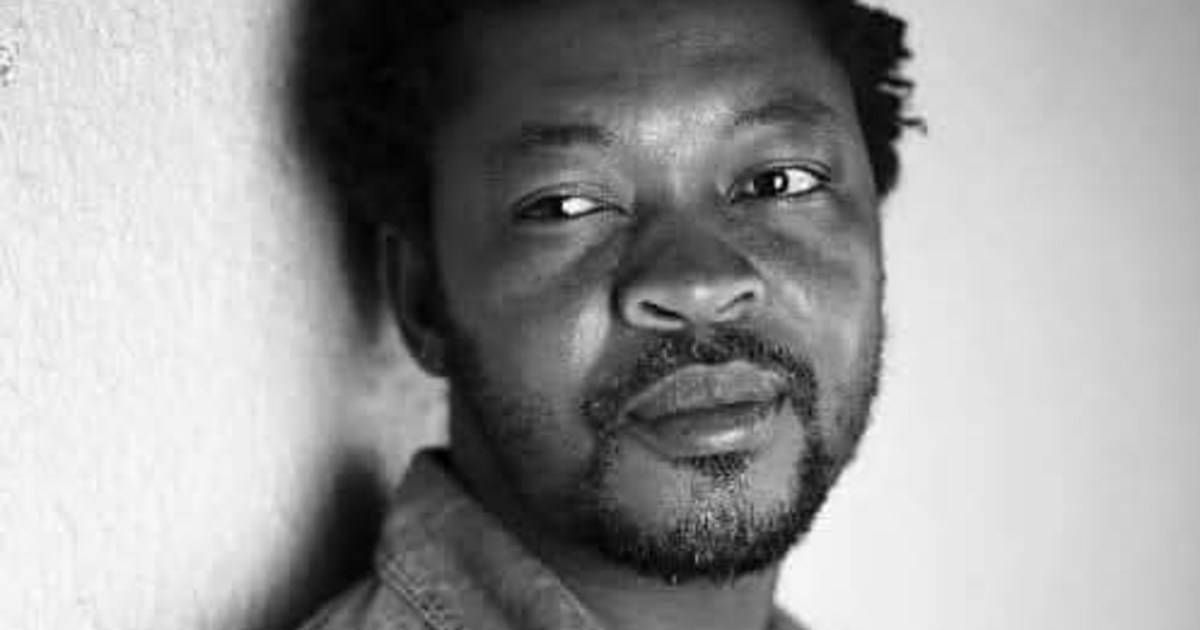
When you talk about the sound of modern Venda music, one name reverberates through the chords and rhythms: Mulalo Mukwevho. A multi-talented producer, bassist, and musical visionary, Mukwevho has shaped the sonic identity of Limpopo — quietly, yet profoundly.
I sat down with him to trace a journey that began in a house steeped in melody and has since influenced more than 60% of Venda's leading musical talents.
Q — Let's go back to the beginning — how did your journey into music start?
"It started when I was just 12 years old. The biggest influence? My brother, Colbert. Growing up in a deeply musical family, it was just a natural part of life. We'd talk about music at home all the time — it was everything. We didn't just talk about it, though; we lived it. From early days gigging to playing instruments, music was our language."
Q — What was it like growing up in a musical household with Colbert as an older brother?
"It was a blessing. Colbert wasn't just a brother — he was an inspiration and, in many ways, a mentor. The house was alive with musical talk. We'd share ideas, sounds, thoughts ... that kind of energy shapes you in a powerful way."
Q — You've produced most of Colbert's albums. How do you balance your creative input while working so closely with family?
"It's easier than people think — music is what we all did, every single day. With family, there's trust, and that allows for creative freedom. We grew up doing this together, so our chemistry in the studio is just an extension of what we've always done."
Q — Over 60% of top Venda musicians have worked with you. What do you think draws artists to your sound and your studio?
"I think it comes down to originality. I don't try to change what an artist wants to do — I enhance it. I bring creativity to the table, but we make sure the process is fun. That energy, that honesty, is what people are drawn to."
Q — Of all your collaborations, are there any that stand out as special or particularly challenging?
"Every artist is unique, and that's what makes it exciting. But working with the most talented ones can be more challenging — they push you, and I love that. Every music-making experience becomes an adventure when you're surrounded by that kind of energy."
Q — Your singles like Sticky Situation and Dakalo are resonating deeply. What inspired those tracks?
"Sticky Situation and Hold On both come from real life — things we go through, the challenges, the moments where you need to hold on. They're prayers, stories, and experiences turned into sound."
Q — You're also a bassist and a live performer — how do you approach music production differently from performance?
"For me, music must have meaning. Whether I'm in the studio or on stage, it's about the message. But performance is more about the experience. The energy. Still, it must always stay true to the craft. The message has to land either way."
Q — Venda music has gone through a lot of evolution. Where do you see it going — and what role do you want to play?
"Music is always evolving — and it's beautiful to watch. New genres are rising, but what matters is unity. Music connects generations. I want to continue being a bridge between the old and the new, helping it evolve while preserving its heart."
Q — What advice would you give to young producers and musicians hoping to build a legacy like yours?
"Be consistent. Stay humble. Always seek knowledge. Learn from those around you and grow through interactions with fellow musicians. The path is long, but it's worth it if you're patient and passionate."
Q — So, what's next for Mulalo Mukwevho? More singles? A full project?
"Yes — more music is definitely coming. I'm in the final stages of a full album project. This one's personal — I've held back on collaborations because I wanted this to fully reflect me — my thoughts, my experiences, my sound. It's my signature. But don't worry, collaborations will definitely come in the next chapters!"