
Amidst many stories of land claims that had turned sour, causing even more misery for the communities involved, the case of the Makuleke community, who seems to have established a system that not only works for the people but also adds to the tourism treasures of the country, brings hope.
The Makulekes lived on the north-eastern border of the country, at Pafuri, where the Kruger National Park (KNP) was later established. In 1969, about 3 000 households of the Makuleke community were forcefully removed from their land, which fell inside the KNP's proclaimed area. The Makulekes were the last people to be relocated out of the park.
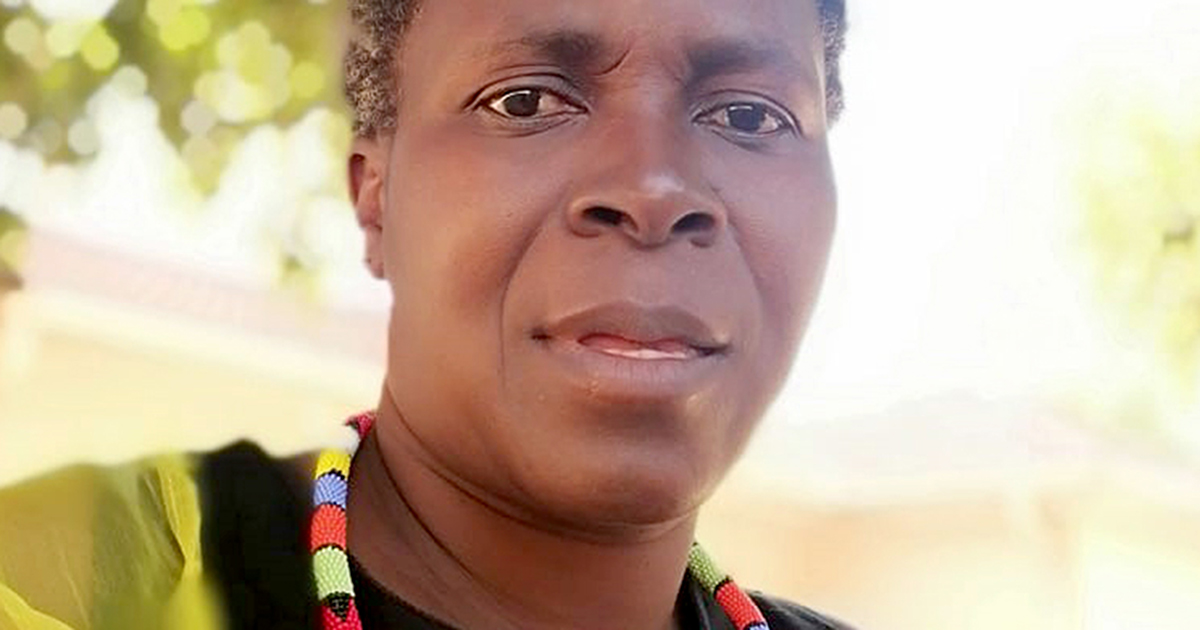
According to Ms Mavis Hatlane, chairperson of the Makuleke Communal Property Association (CPA), the community's opposition against this conservation initially stemmed from the racist approach used by the government of the day. The start of democracy in South Africa in 1994, however, paved the way for this community to reclaim their land and the community agreed to make the KNP a conservation area. In 1998, the CPA successfully reclaimed a part of their land, until the full 24 000ha was returned to them.
Vumelana Advisory Fund, a non-profit organisation that works with land-reform beneficiaries, facilitated a partnership between the CPA and SANParks (the investor), who agreed to have a joint management board of three members from each entity. SANParks' role is to ensure the conservation of the land, while the community can use the land for commercial purposes, on condition they take strict caution to maintain conservation measures.
The Makuleke community benefits from several projects. Two lodges in the area, Return Africa and The Outpost, have employed around 101 people, including some from the Makuleke community. The Makuleke Cultural Centre has employed three people, Makuleke Eco Training Camp five people, while Biodiversity Special Projects (BSP) has 26 staff members working for water and in the wetlands.
"The community has come a long way in this process. It has been crucial for the Makuleke Traditional Council to find a balance in meeting the needs of the community, while at the same time ensuring the protection of this biodiverse zone, as this land they now own is a central part of the greater ecosystem of the Kruger National Park,' said Hatlane.
The CPA has also established partnerships with institutions such as the South African College for Tourism, which offers hospitality training, the Southern African Wildlife College, which provides field-ranger and conservation-related studies, and the Tracker Academy, which focuses on field guiding.