
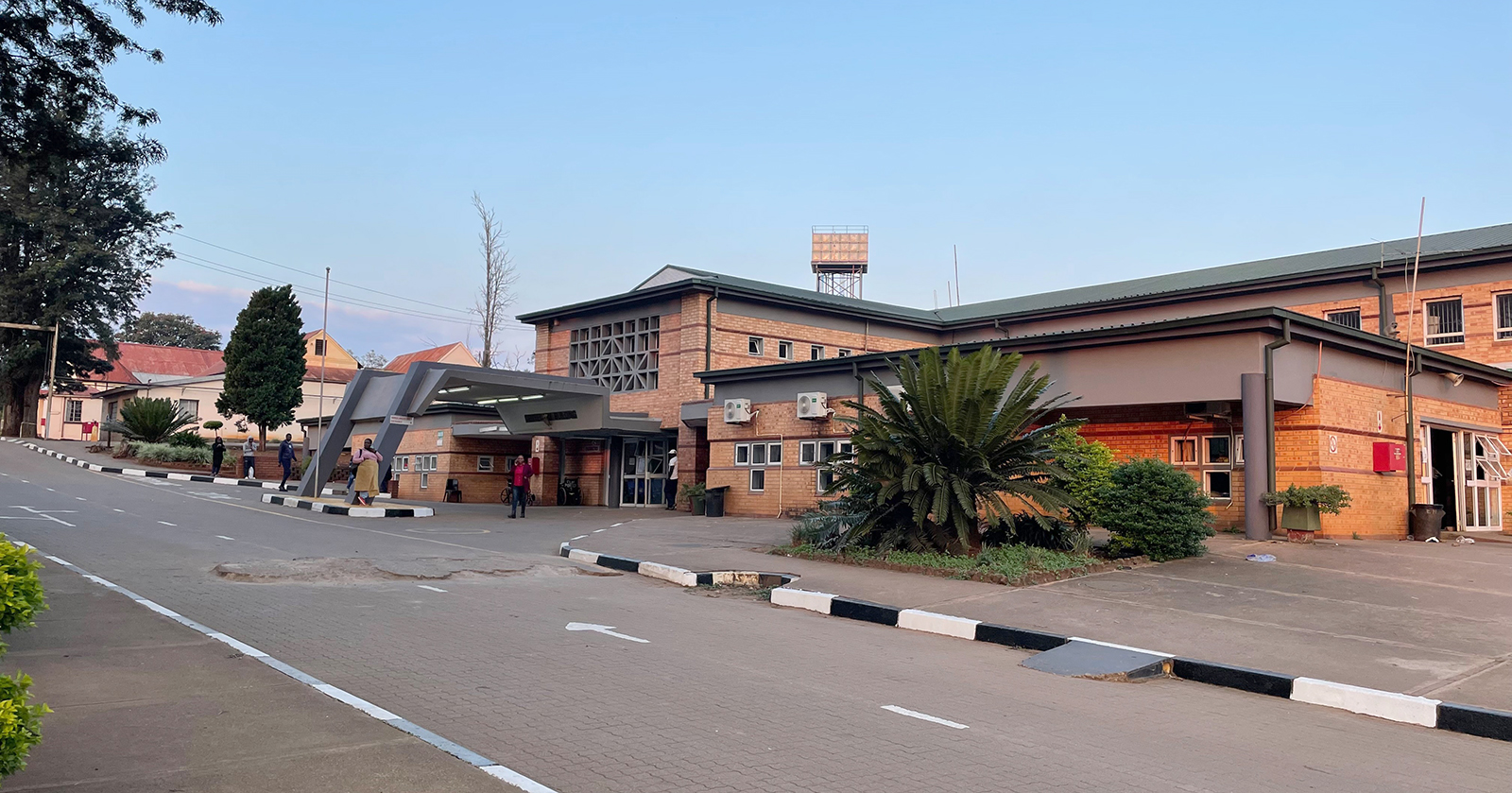
Plans to replace sections of Elim Hospital remain on hold after the National Department of Health confirmed that the proposed R3.71 billion project cannot proceed to construction without approval from National Treasury.
The delay has heightened concerns about ageing infrastructure and staffing shortages at the district hospital, which serves communities across the Vhembe District.
Elim Hospital was founded in 1899 by Swiss missionaries and served as the only hospital for a vast rural area for many decades. By the mid-20th century, it had become one of South Africa’s foremost eye hospitals, particularly for the treatment of trachoma, cataracts and other preventable causes of blindness.
Over the past two decades, however, the facilities have deteriorated amid service delivery challenges, including a lack of water at the hospital. The hospital has also struggled with equipment failures, including a non-functional X-ray machine for an extended period, forcing patients to be referred to Louis Trichardt Memorial Hospital.
Cracks have appeared in some buildings, while parts of the roofing, including sections of the maternity ward, reportedly leak during heavy rainfall. Several toilets are no longer functioning properly, and the mortuary cooling plant has previously experienced operational problems. Other problems include long patient queues.
In a written reply to Parliament in September 2025, Health Minister Dr Aaron Motsoaledi said the 17 hospitals identified for development across the country, including Elim Hospital and Tshilidzini Hospital in Limpopo, were selected based on need and are at various stages of planning and design.
He said the National Department of Health had established a Project Management Office to oversee the infrastructure programme, but none of the projects had dedicated budgets and all remained dependent on engagements with National Treasury before construction could begin.
Motsoaledi said decisions to replace rather than refurbish hospitals are guided by condition assessments, cost-benefit analyses and long-term service delivery needs. According to the department, replacement is generally considered when refurbishment costs are expected to exceed 60% of the cost of building a new facility.
Elim Hospital and Tshilidzini Hospital were cited in the parliamentary question as examples of facilities earmarked for replacement rather than refurbishment.
National Department of Health spokesperson Foster Mohale said the replacement project has reached Work Stage 4 under the Framework for Infrastructure Delivery and Procurement Management (FIDPM).
“This means that the planning and design work has been completed and the project is at the stage immediately preceding Work Stage 5: Works, which is the construction phase,” Mohale said. He said the project is substantially ready to proceed but cannot move forward without funding approval from National Treasury.
Mohale said interim measures have been implemented to reduce pressure on the facility, including the completion of a new neonatal ward to address congestion in maternity and neonatal services.
The Public Servants Association (PSA) has welcomed the proposed allocation of R3.71 billion for the replacement of the hospital, saying the intervention is long overdue.
Limpopo PSA organiser Lawrence Muvhango said the union has visited the hospital on several occasions to highlight long-standing challenges affecting staff and surrounding communities. He said concerns include poor working conditions, shortages of equipment and staff, inadequate sanitation and deteriorating maintenance of the facility.
The Democratic Nursing Organisation of South Africa (DENOSA) Limpopo provincial secretary Jacob Molepo said staffing shortages and deteriorating infrastructure remain critical challenges across the province.
“The challenges we are facing extend beyond this hospital; they cut across the entire province,” Molepo said. “There is a severe shortage of nurses and healthcare professionals, including support staff such as porters.”
Molepo said continued delays in replacing Elim Hospital remain a serious concern for frontline workers.
“We believe that the department is failing to prioritise its resources appropriately. We have seen resources being misplaced, both material and financial resources,” he said, adding that better prioritisation could address many of the challenges.