
As the world celebrated World Radio Day on 13 February, many Tshivenda-speaking radio enthusiasts may have recalled a bygone era when radio presenters were treated like celebrities—respected for the way they entertained listeners while keeping them informed about current affairs, both locally and globally.
World Radio Day is an international event observed annually on 13 February. UNESCO designated the day on 3 November 2011 during its 36th general conference.
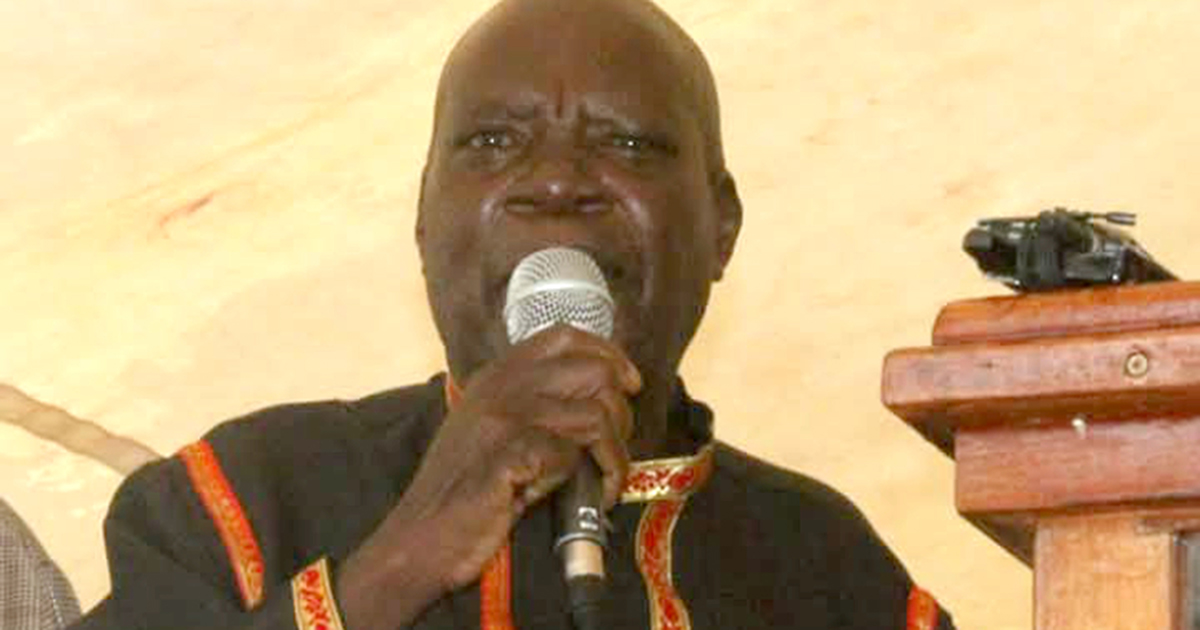
One of the former national radio broadcasters who captivated listeners for at least three hours daily is former Grade 12 English teacher Mr Ntshavheni Russel "Razmatazz" Mashige, known by names such as Mbatata, Mukukulume wa Venda, Tshiendangolo, and many others. The inimitable Mashige joined the SABC in 1980 and, in 1981, became the first presenter to play Shona music live on air.
"Those were the dark old days of apartheid, and every song played on air had to be reviewed by the government to ensure it did not contain messages that could incite resistance. They were very strict and efficient in monitoring music that might influence people to rise against the government," he said.
He added that he was fortunate because the manager of all three SABC stations in Pietersburg (now Polokwane) at the time—Radio Tsonga, Radio Lebowa, and Radio Venda—was a certain Reverend Du Plooy, who spoke Shona fluently. "So he used to listen to all the Shona music before it was played on air," Mashige said.
After working at the SABC for six years, he joined the newly established Radio Thohoyandou, where, together with station manager Isaac Dagada, he helped build the station into one of the region's best. It broadcast in both Tshivenda and English and operated two channels—medium wave (The Big T) and FM (Radio Thohoyandou).
When asked about the significance of World Radio Day, Mashige said that since radio delivered news with immediacy, it was important to celebrate it annually. "Radio is not like television or digital media, where news has to be edited, sometimes losing its original context. Radio provides live interviews and delivers news as it happens," he said.
Asked whether today's radio presenters and reporters were upholding the standards set by their predecessors, Mashige declined to compare the two, saying their working environments were vastly different. "All I can say is that former radio presenters and reporters had a deep passion and love for their craft, whereas today's generation seems more focused on being heard on air and impressing their editors rather than prioritising the quality of their work. You can listen to a radio station for an hour and learn nothing," he said.
Before becoming a radio presenter, Mashige started his career as an English teacher at Lwenzhe Senior Secondary School in 1975. In 1977, he was appointed acting principal of Davhana Junior Secondary School. In 1979, he became the first head of department at Tshimbupfe Secondary School.
Despite his concerns about the industry, Mashige remains encouraged by some of the presenters on both national and community radio stations. "There are many talented presenters and journalists out there, but I doubt their seniors truly understand what they are doing," he concluded.