
The 13-year battle to determine who should be the king or queen of the Vhavenda appears to be nearing an end. After another week of testimony in the High Court, the case has been postponed to 8 December for closing arguments.
The legal teams of Princess Masindi Mphephu and former king Toni Mphephu Ramabulana are trying to convince the three judges that their client should be the next successor. About 20 witnesses have now testified for both the applicant and the respondent during the recent court sessions.
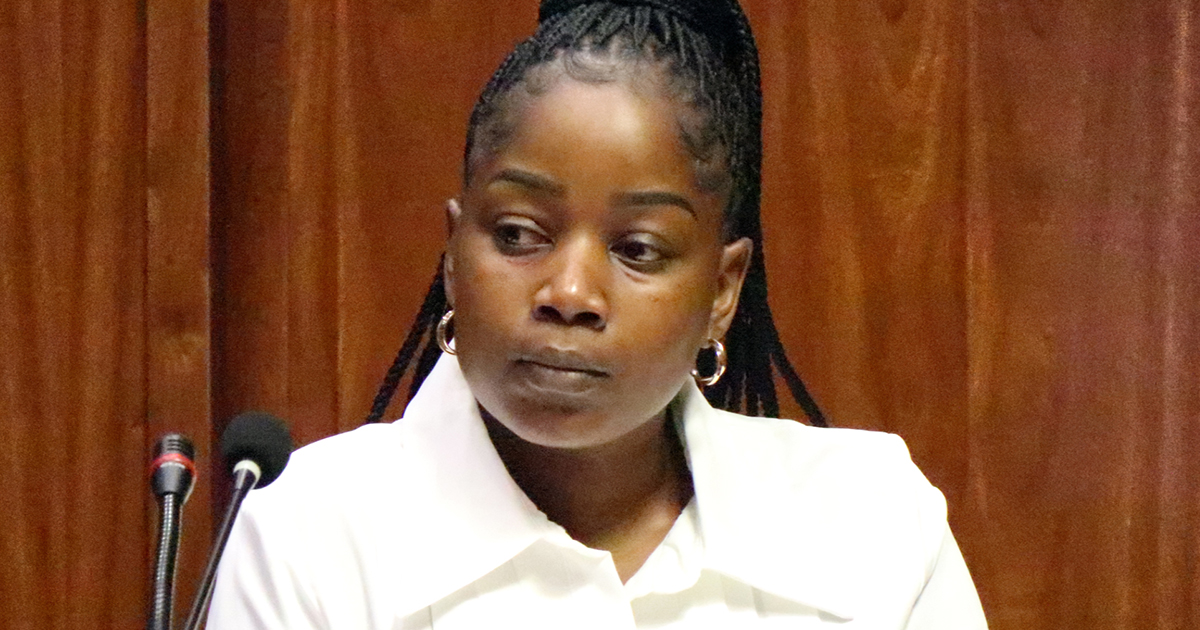
The case returned to the Polokwane High Court on 22 September. Among the witnesses was Nndweleni Mashamba of the Mashamba Traditional Council, who was called to testify about royal protocols, especially regarding succession customs. The senior traditional leader also addressed allegations of partiality, telling the court he was not biased towards Prince Toni Mphephu Ramabulana in the ongoing throne dispute.
Mashamba has maintained throughout his testimony that, according to Vhavenda customs, only males can ascend the throne – a position that directly contradicts Princess Masindi's claim to succession. He also testified that a sitting king could not identify his successor.
A central issue in the case concerns the concept of a dzekiso wife – a woman identified as capable of bearing an heir – with questions raised about Princess Masindi's mother's status in this regard.
During hearings in June, Zama Mapai, a cultural expert from the University of Venda, testified for the defence. Mapai argued that Princess Masindi should be disqualified from ascending the Venda throne because her mother, Fhulufhelo, had not been married to then-King Dimbanyika Mphephu Ramabulana in the manner required by Venda custom (i.e. as a "candle wife"), and that Masindi had therefore been born "out of wedlock" according to traditional rules.
Masindi's legal team, headed by Adv Allan Dodson, challenged this testimony in cross-examination, arguing that she was excluded only because she was not a male. Masindi is the first-born child of the late King Dimbanyika (Tshimangadzo).
In an earlier session, Toni Mphephu Ramabulana also testified that Masindi's claim was invalid because she had been born before her father had become king. One of the defence's main arguments is that Vhavenda customs require that a king must first be inaugurated, a dzekiso wife identified, and only then can a successor be born.
This view was disputed by Masindi's legal team, who provided documentation showing there is ample precedent for a successor's being born before a new king's inauguration. The example of Patrick Mphephu, the former ruler of the Vhavenda and father of Dimbanyika, was cited: he was born before his father was inaugurated as king.
The case is being heard before the Judge President of the Limpopo High Court, Judge George Phathudi, Judge Gerrit Muller and Judge Thogomelani Tshidada.