
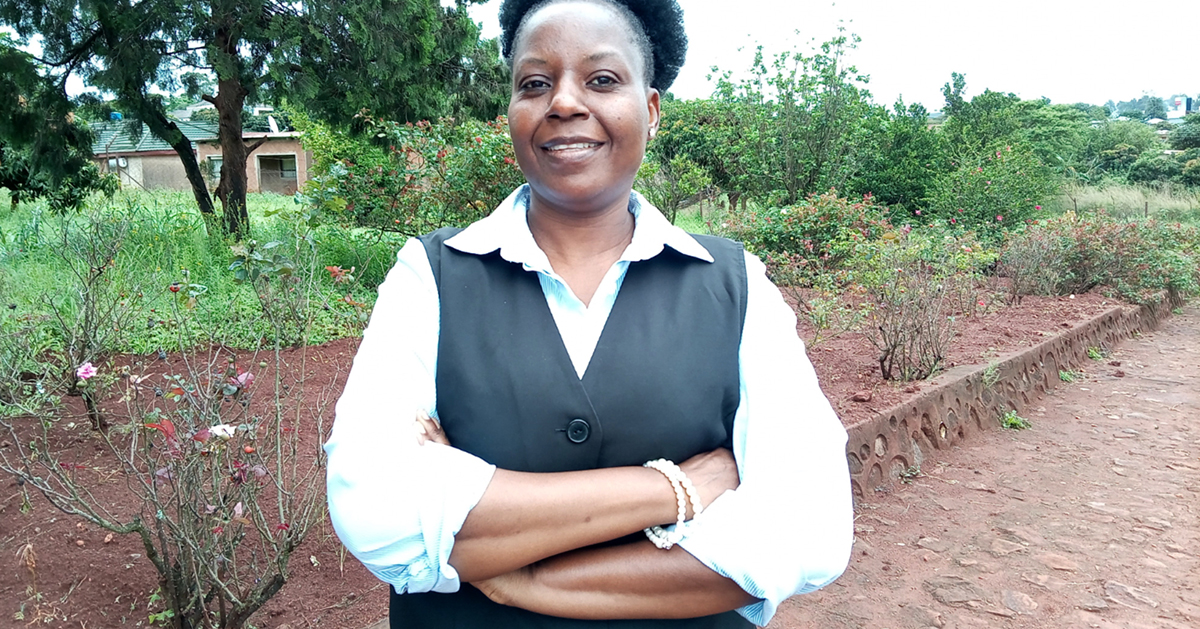
Families in Vhembe often struggle to report child abuse because of fear, denial, and stigma. Social worker Portia Miyeni from Elim said many parents or guardians worried that if they spoke out, their children would be taken away or the community would isolate them.
Recent cases show the scale of child abuse in Vhembe. In Malamulele, a 14-year-old boy allegedly raped a six-year-old girl at Makumeke village on Saturday, 8 November, around 18:00. Limpopo police spokesperson Col Malesela Ledwaba said the girl had returned home with sweets and snacks and told her mother that the boy had lured her into the bushes, where the assault allegedly took place.
She complained that her private parts were painful. Medical personnel at a local hospital confirmed the abuse. The police traced the boy, who has been released into the care of his parents, pending a probation officer's assessment. The case is being investigated by the Giyani Family Violence, Child Protection and Sexual Offences (FCS) Unit, according to the South African Police Service.
The following day in Bandelierkop, a 13-year-old boy allegedly sexually assaulted his five-year-old sister at their home in Munzhedzi village. The girl disclosed the assault to her mother and was taken to a hospital, where it was confirmed. The 13-year-old remains in parental care, pending assessment by a probation officer, in line with the Child Justice Act. The case is under investigation by the Makhado FCS Unit.
Lt-Gen Thembi Hadebe, Limpopo Provincial Commissioner of Police, described both incidents as deeply troubling. She urged parents or guardians to monitor their children's behaviour, their exposure to media and technology, and to create safe spaces where children can speak openly.
Miyeni has handled several cases at schools such as Masungulo Primary, Xihlobyeni in Elim, and in multiple homes, where silence driven by shame leaves children traumatised. Some families deny that abuse is happening. Others fear that reporting a relative could lead to arrest, conflict, or expulsion from the family home.
"Stigma is a powerful deterrent. People don't forget easily. Children and their parents or guardians live in fear of what others will say or do," she said.
Social workers and the police often work together when abuse is suspected. They conduct home visits, provide counselling, and, in severe cases, remove children to a place of safety. Some families are referred to community programmes that offer life skills, information, and crime-prevention support.
Miyeni told Limpopo Mirror that programmes such as Safeparks, holiday camps, workshops, and crime-prevention campaigns helped children rebuild confidence. They also teach self-discipline and help children regain a sense of dignity.
Research supports the challenges Miyeni sees on the ground. A study by Petunia Tsheole, Lufuno Makhado, Angelina Maphula, and Nombulelo Veronica Sepeng explored the experiences of children exposed to violence in Vhembe. Children reported physical, sexual, emotional, and community-based violence, often by people they trust.
They described fear, isolation, and psychological pain, and many relied on avoidance or social coping strategies. The study calls for trauma-informed, child-centred mental health services and stronger psychosocial support in schools.
Despite the challenges, social workers remain a key support system in rural areas. They provide care and protection to children and families, often bridging gaps where resources are limited. Child and Youth Care Centres and Thuthuzela Care Centres offer safe spaces and immediate assistance when abuse is reported.
"We send social workers to attend to victims as soon as we are informed, either by the police or the families themselves. Circumstances dictate the programme we arrange to ensure the child receives adequate counselling and support," said Joshua Kwapa from the Department of Social Development.
Miyeni said long-term solutions required community involvement. She said cultural beliefs and traditional practices sometimes normalised domestic violence or treated it as a private matter, which kept abuse hidden. Families need access to information, education, and development programmes to break the cycle of violence.