
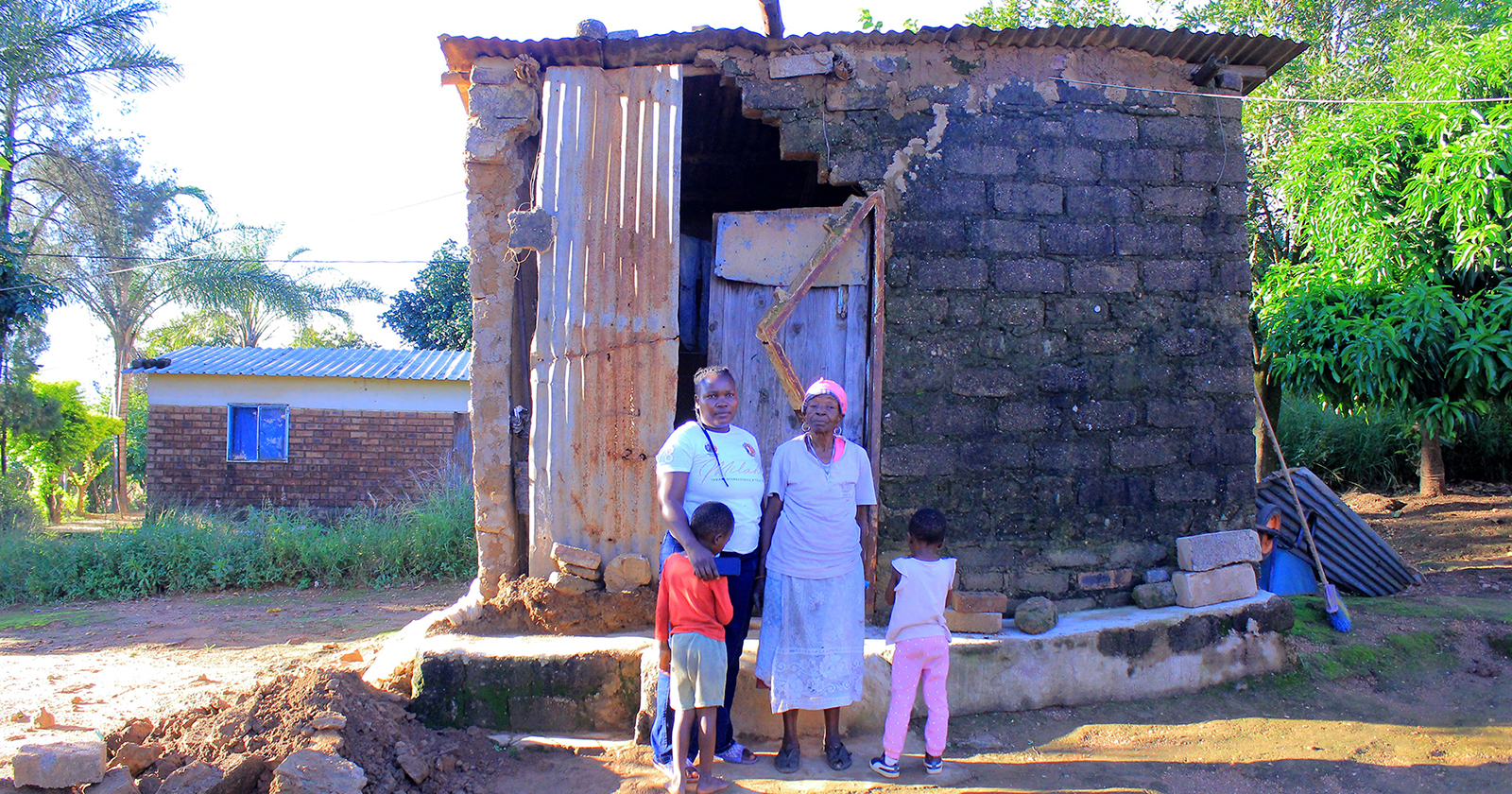
Residents living in government-built houses in Tshikota, outside Louis Trichardt, say they have been without basic services for years, while others in the Makhado Municipality area are still waiting for housing they applied for nearly two decades ago.
More than 100 houses built at Tshikota in 2021 are occupied but still lack water, electricity and proper roads.
“We have to buy water containers and push them. They gave us houses with flushing toilets but no water supply or electricity, and we also do not have proper roads,” said resident Matodzi Manedze.
Some residents are forced to use nearby bushes due to the lack of sanitation. Elderly resident Magret Mathekga said households rely on neighbours for water and walk long distances pushing wheelbarrows, paying between R2 and R3 for 20 litres of untreated borehole water.
“They dug holes to electrify the houses, but the cables were later stolen. We are suffering,” she said.
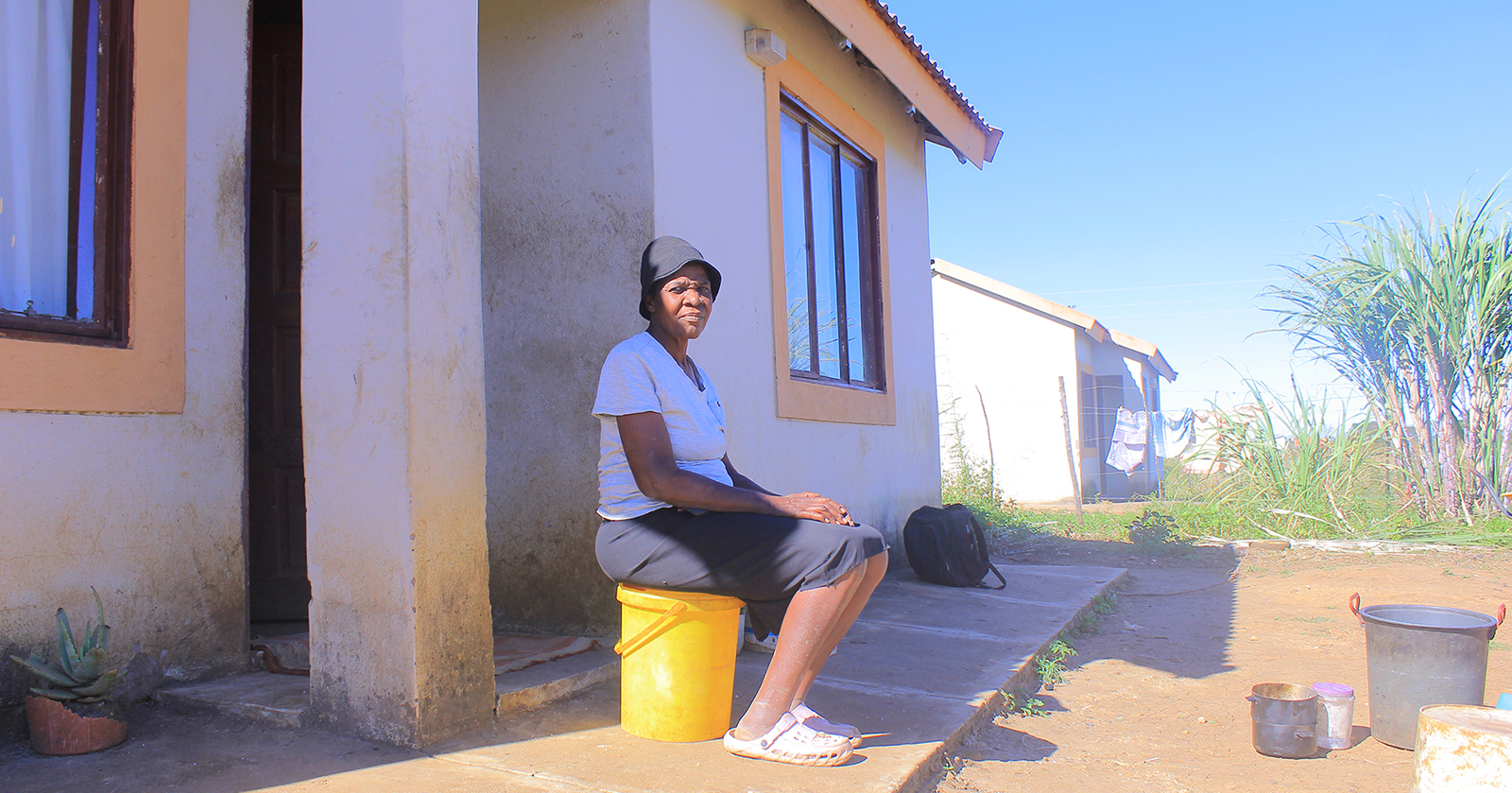
Elderly resident Magret Mathekga has been living in an RDP house in Tshikota without water and
electricity since 2021. Photo: Thembi Siaga.
Community leader Joshua Chabalala said living conditions were unsafe, particularly for vulnerable residents. “The situation is scary because the house is not safe. They are living with an elderly person who cannot see properly,” he said.
Residents also complained about delays in housing delivery, with some applicants waiting since 2006 despite repeated promises from councillors.
“They always promise us houses. Many councillors have changed, and all of them have promised us houses since we applied in 2006,” said one resident.
A family of 15 from Elim Mabobo said they were living in two rooms, separated by gender. “The house leaks during rain and we feared for our safety during the recent flooding,” said Nkhesani Thobanene.
According to the municipality's 2025/26–2027/28 Integrated Development Plan (IDP), the housing backlog stood at 16,453 households as of May 2025.
Municipal spokesperson Mpho Rathando said the IDP figure reflected applicants rather than approved beneficiaries. “Qualified beneficiaries are about 3,000, which is caused by the reduction of units by COGHSTA due to budgetary constraints,” he said.
Ward councillors assist in identifying beneficiaries, while the municipality registers applicants and liaises with the Limpopo Department of Cooperative Governance, Human Settlements and Traditional Affairs (COGHSTA).
Rathando said all 38 wards were competing for 152 housing units this financial year, with about 20 RDP houses stalled because traditional leaders had allocated sites in undevelopable areas. He said some beneficiaries had also requested houses in areas where geotechnical studies had not been completed, and confirmed delays at the Tshikota Community Residential Unit (CRU) project due to an underperforming contractor.
Councillors had been advised to prioritise people already on the waiting list rather than adding new applicants. Rathando said the municipality would seek additional allocations given its size.
“Thirty-eight wards are a lot compared to other municipalities in the province, whereas the allocations are similar,” he said.
COGHSTA spokesperson Tsakani Baloyi confirmed that Makhado had been allocated 154 housing units for 2026/27, funded through a conditional grant from the national Department of Human Settlements.
She said the provincial Medium Term Development Plan (2025–2030) targeted 15,519 units over five years, shared among all 22 local municipalities, with distribution based on housing demand, spatial targeting and urbanisation trends.
Baloyi said municipalities manage beneficiary lists and that priority should go to vulnerable groups, including the elderly, orphans, people with disabilities and female-headed households. She said the allocation of sites by traditional leaders in unsuitable areas pointed to consultation gaps.
“It is expected that buy-in should be obtained from all stakeholders,” she said.
She confirmed delays at the Tshikota CRU project were linked to design upgrades requested by the district municipality, adding that the contractor would resume work under revised performance conditions.
Baloyi said the National Housing Needs Register was being introduced to replace manual waiting lists and improve transparency. “Full utilisation of the system by all municipalities will eliminate jumping of queues,” she said.