
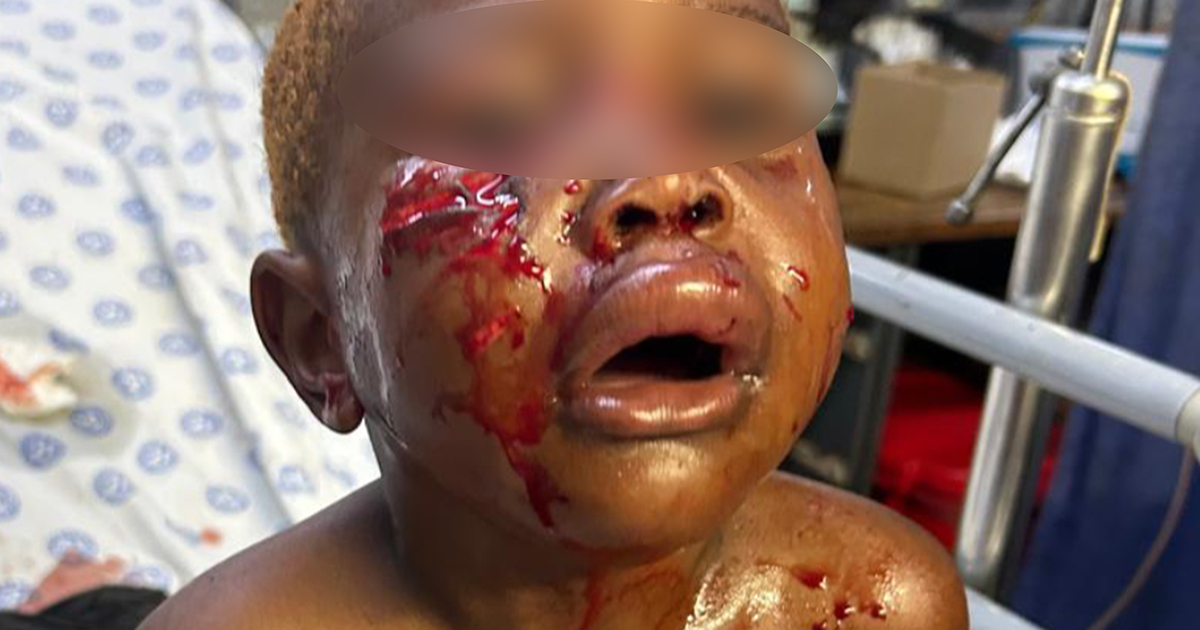
An increase in stray dog attacks in the Muledane area near Thohoyandou has raised concerns about the safety of children, with fears that the animals may be infected with rabies.
Residents say at least four dog attacks have been reported since the start of the year. In the latest incident, an eight-year-old girl was bitten by a stray dog last Wednesday (18 February) in Muledane.
The child's mother, who asked that her daughter's identity not be revealed, described the ordeal as terrifying. "It was around dusk, and I was resting before my night shift when I was woken up by my child's screams. She had been bitten on her back and hand while playing outside," she said.
She rushed her daughter to the hospital, where she encountered another distressed parent carrying an injured child. "I gave them a lift, and we went straight to the hospital. My daughter missed school for several days," she said. The other child was admitted to hospital.
From what could be gathered, both children received rabies treatment as a precaution.
Residents now suspect the stray dogs may have contracted rabies, a deadly disease that causes fatal inflammation of the brain and spinal cord. It is transmitted through the saliva of infected animals, usually via a bite. If left untreated, it is almost always fatal.
Tshimangadzo Sikhau, a local South African National Civic Organisation (SANCO) representative in Muledane, said the problem had started in January when a stray dog had attacked another dog. The animal showed symptoms of rabies, including extreme aggression and foaming at the mouth, before dying earlier this month.
The case was reported to the Department of Agriculture in Sibasa, and the dog's remains were sent for testing. "The department advised us to write to the police, requesting that stray dogs be culled within a 25km radius. This will also affect areas such as Thohoyandou, Maniini, and nearby townships," Sikhau said.
He added that the number of stray dogs in the area was increasing. "We cannot identify their owners because they are strays. The situation has become critical, and we are waiting for the Department of Agriculture to conduct an awareness campaign and vaccinate the remaining dogs."
Mr Lawrence Khodobo, a senior inspector at the Makhado SPCA, said that while the organisation worked to prevent animal cruelty, dealing with stray animals fell under the local municipality.
"The SPCA enforces the Animals Protection Act No. 71 of 1962, which protects animals from cruelty. However, we have no jurisdiction over municipal by-laws. Stray animal complaints should be directed to the municipality," Khodobo said.
He urged residents to sterilise their dogs to prevent uncontrolled breeding and the rise of feral populations. "Sterilisation helps control the dog population. If people neglect this, unwanted puppies are born in the wild without human interaction, growing up to behave like wild animals. This is dangerous for communities," he said.
Efforts to confirm a rabies outbreak proved inconclusive earlier this week. The National Institute for Communicable Diseases (NICD), which tracks all confirmed cases, lists rabies as a Category 1 notifiable medical condition, meaning it must be reported immediately. While one case of rabies was recorded in Limpopo in 2024, no new cases have been reflected this year.
Apart from dogs, other animals—including cats, cattle, sheep, and wildlife, such as jackals—can also carry the disease. Pet owners are advised to vaccinate their animals annually and watch for symptoms. Anyone bitten by a dog should seek immediate medical treatment.