
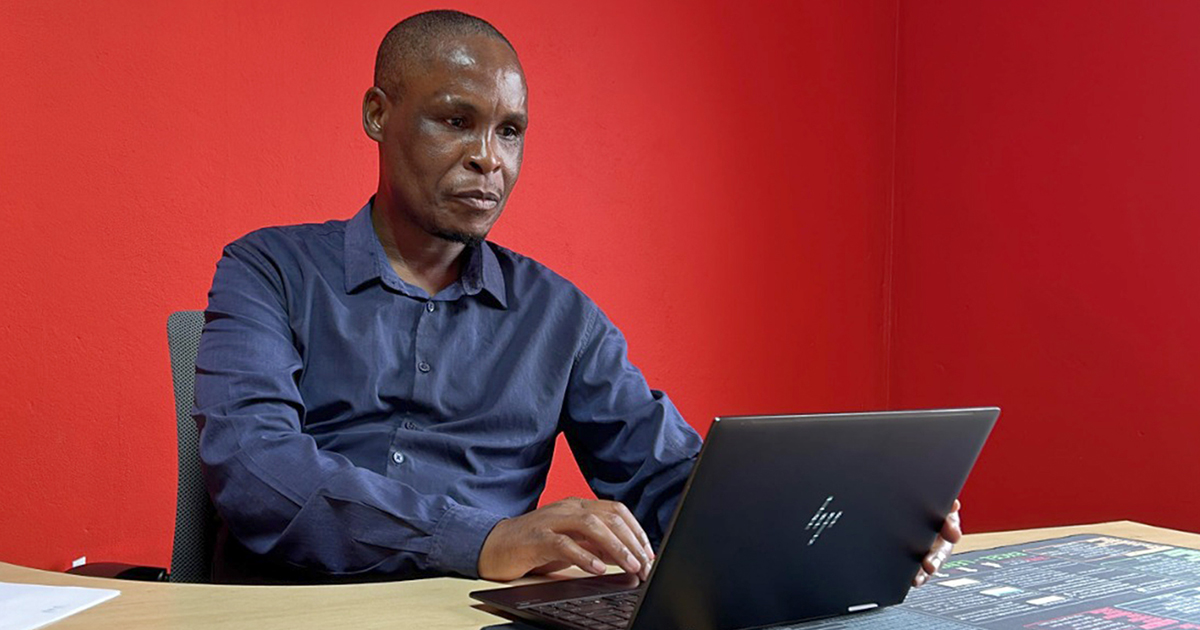
A software developer from Thohoyandou, Justice Ndou, has launched an AI-powered platform, Tenders SA, designed to help small businesses compete for government contracts on equal footing with large corporations.
The idea was born out of a frustration familiar to many entrepreneurs in Vhembe and across Limpopo. Procurement notices are scattered across municipal websites, National Treasury portals, and dense PDF documents, forcing business owners to spend hours searching for opportunities — only to discover late in a 50-page document that they don’t qualify.
Tenders SA offers four subscription tiers — Free, Starter, Professional, and Enterprise — ranging from R0 to R3,999 per month, with discounts for annual billing. The platform provides AI-powered tools for tender matching, applications, and business intelligence, catering to startups and larger enterprises alike.
Ndou, the founder of Tenders SA, said the system is heavily skewed against smaller players. Large companies in major cities have entire departments dedicated to managing bids and compliance, leaving small contractors to navigate complex regulations on their own.
“Compliance acts as a moat,” Ndou said. “When a system is heavily bureaucratic, it favours those who have the resources to navigate the bureaucracy.”
The platform allows businesses to create profiles based on sector, province, and grading. It calculates a compatibility score and notifies users via phone or email when a tender matches at 80% or higher. An AI assistant reads tender documents, extracts key requirements and deadlines, and can help generate cover letters and methodology documents tailored to a specific bid.
One of its standout features is a historical awards database containing more than 28,000 records and 30,000 companies. This gives small businesses access to competitive intelligence previously available only to well-resourced firms, showing which government departments are spending, who is winning contracts, and at what price points. “It turns historical archives into competitive intelligence,” Ndou said.
The platform is already live and growing. It serves more than 200 registered South African businesses, tracks nearly 2,000 active tenders worth billions of rand, and records around 300 daily users.
Ndou believes the platform could have a transformative impact on districts like Vhembe. “When local SMEs win local tenders, the money stays in Vhembe. It creates jobs, develops local skills, and grows the district’s economy,” he said. He also argued that greater transparency in procurement data could help reduce corruption by making the system more accessible.
Built entirely in Thohoyandou, Ndou has a message for young developers in the region: “You don’t need to move to a tech hub to build world-class technology. Look at the problems in your community, open your laptop, and start coding.”