
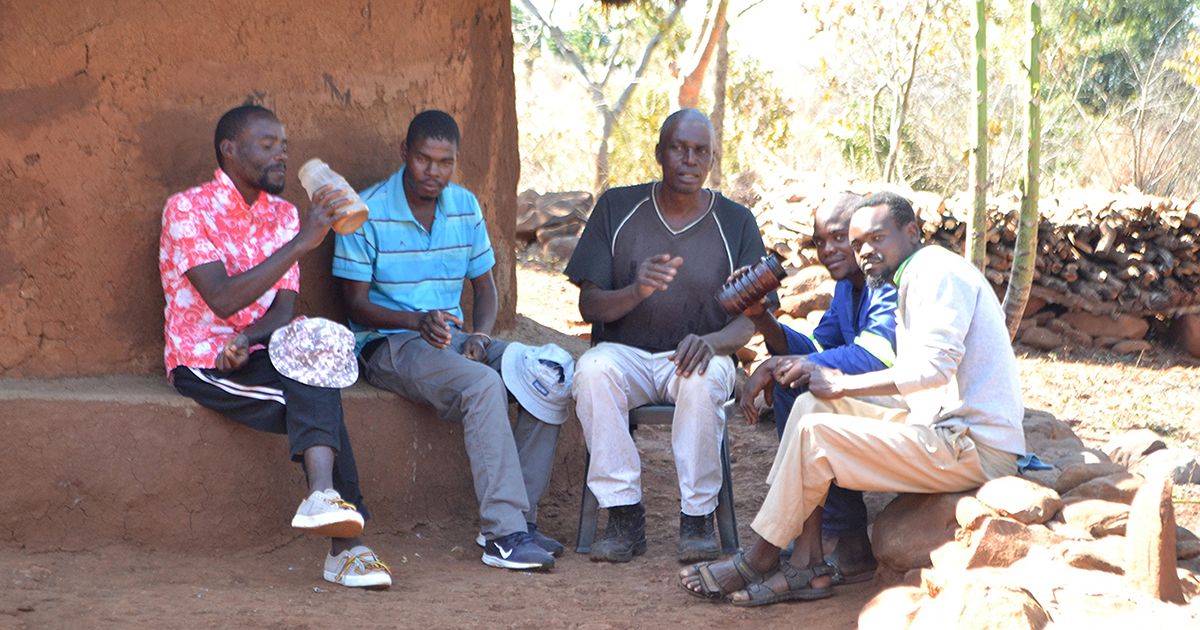
In addition to the reduction in the hours during which alcohol may be sold at taverns, shebeens, and restaurants, the new Limpopo Liquor Act also affects traditional beer brewers. All traditional African beer brewers are now required to obtain permits for the manufacturing and selling of their beer.
Implemented by the Limpopo Department of Economic Development, Environment & Tourism (LDEDET), the new Limpopo Liquor Act came into effect on 1 August. Among other provisions, the act shortens the curfew for alcohol sales at nightclubs, taverns, shebeens, and restaurants to midnight. This change aims to curb alcohol abuse and encourage moderate home drinking in contrast to unsafe nightlife.
The National Liquor Traders, an organisation representing the interests of liquor traders in South Africa, has taken legal action to halt the implementation of the Act. They have submitted documents to the Limpopo High Court in Polokwane in an attempt to prevent the Act from being enforced.
On Tuesday, 8 August, numerous liquor traders from Limpopo attended the court proceedings, supported by their counterparts from Mpumalanga and Gauteng. However, due to the Economic Freedom Fighters (EFF) filing supporting papers on the matter the previous day, the Limpopo High Court postponed the case until 18 August. Supporters of the EFF, artists, and individuals from the entertainment industry also attended the court proceedings.
The convener of the National Liquor Traders, Mr Lucky Ntimane, expressed confidence that the Act would be overturned. He stated, "We respect the court outcome, which today only focused on the technical aspect of the matter, and remain confident that our submission and the merit of our case is strong enough and we should be granted an interdict that seeks to suspend the Limpopo Liquor Act's implementation."
Humbulani "Mpfinyapfinya" Netsianda, a traditional African beer (halwa ha Mahafhe) brewer from the rural village of Malamangwa-Tshamasidela, criticised the act. He argued that rural people depend on brewing traditional beer to combat poverty and unemployment. Netsianda, who has been making traditional African beer for over a decade, following in his mother's footsteps, emphasised that this act would adversely affect their business. Given their rural locations and limited resources, obtaining permits for brewing traditional mahafhe beer would be a financial challenge.