
Residents of Tshakhuma, an area in Vhembe comprising 15 sub-villages, are battling a severe water crisis. Decades of neglected infrastructure, combined with damage from heavy rains and road construction, have left the community without reliable access to clean water.
According to residents, the water problem began around 2000. Most households were forced to fetch water from the nearby Mangwele mountain streams and surrounding areas. Tshakhuma's water infrastructure includes a large dam, two functional purification plants, seven reservoirs, and nine boreholes. However, only two boreholes—at Maswie and Tshitavhadulu—are currently operational.
One borehole at Tshitavhadulu is inactive because of a missing transformer, while boreholes at Luvhalani and Muhovhoya need replacement pumps. Despite the dam's holding sufficient water, damaged pipelines prevent most households from accessing it, forcing residents to rely on untreated water from the mountains.
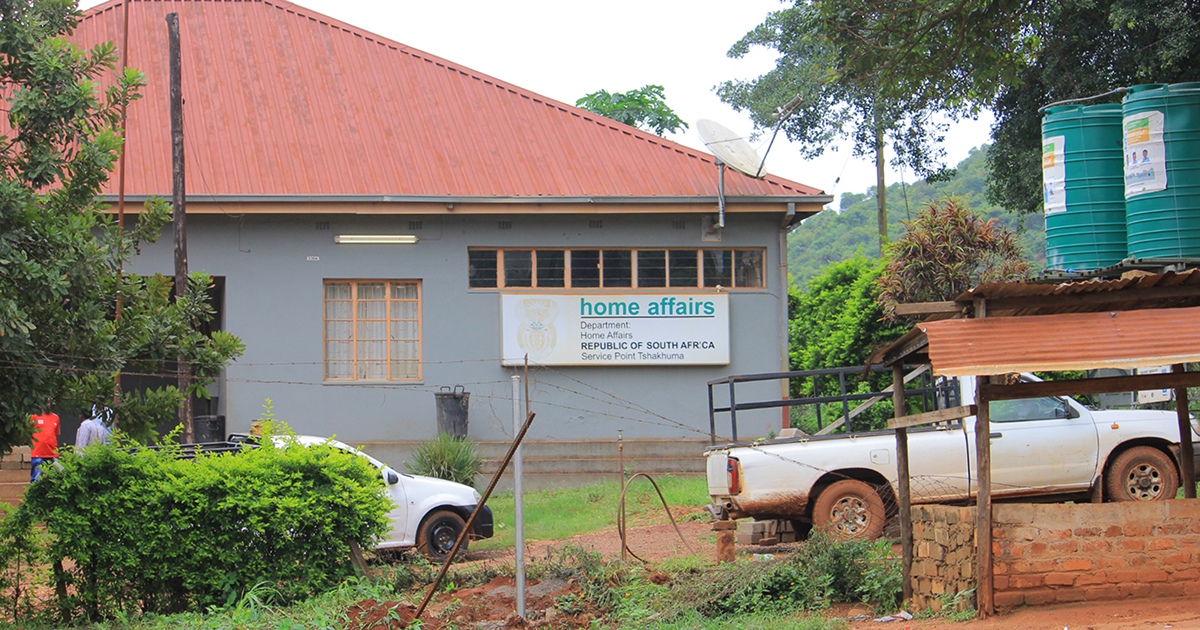
In 2010, residents pooled funds to buy equipment and connect water from these sources themselves. However, the Vhembe District Municipality (VDM) has been accused of failing to maintain or repair the infrastructure. Even essential facilities, such as the Tshakhuma Traditional Council building, which houses a Home Affairs office, have been affected.
In April 2024, VDM's technical services department promised to deliver a resolution plan by June 2024. However, repeated delays have left the community frustrated and still without answers. Damaged pipelines continue to prevent water from reaching households, leaving seven reservoirs unused, despite the dam's capacity to meet the demand.
During a visit on 18 January, Limpopo Mirror observed one of the large reservoirs at the traditional council completely empty. Most residents were seen collecting unclean water from mountain streams. At one of the purification plants, which operates under 24-hour security, water could not reach residents because of damaged pipelines.
The Tshakhuma SANCO Branch has requested a meeting with Executive Mayor Freda Nkondo and the municipal manager to address these issues. Residents feel neglected, as they are not allowed to repair the pipes themselves since the infrastructure falls under VDM's jurisdiction.
Mavis Raphulu, a resident of Mulangaphuma, said the problem had persisted for decades. "Many pipes were damaged during heavy rains, and others were broken during road construction but never repaired. As a result, most villages don't have water, and even the traditional council housing Home Affairs has no supply," she said.
Joel Mulaudzi, secretary of the Tshakhuma South African National Civic Organisation (SANCO), warned that the community could resort to protests. "We're trying to prevent unrest, but people are tired. If protests happen, businesses in Thulamela will be affected, and the economy will suffer," he said.
Mulaudzi also criticised VDM for neglecting the community. "In December 2024, they talked about taking bulk water from our dam to Nandoni. The community is against this, because we don't have water ourselves. They must fix our supply first," he said. He added that the pipes must be fixed urgently, warning that residents may block water to Tsianda and Ha-Mutsha if the situation did not improve.
VDM spokesperson Matodzi Ralushai denied the community's claims, stating that the taps had been repaired. "The municipality continues to fix pipe leaks and supplements the water supply with tankers. We handle the repairs ourselves and have not appointed a contractor," Ralushai said.
An inquiry was sent to Home Affairs spokesperson Siya Qoza on 22 January, with multiple follow-ups, but no response was received.