
Tshakhuma residents say they are still waiting for the Vhembe District Municipality (VDM) to come up with a strategy to address the community's water challenges. This despite a meeting held in March this year to try and resolve the problems.
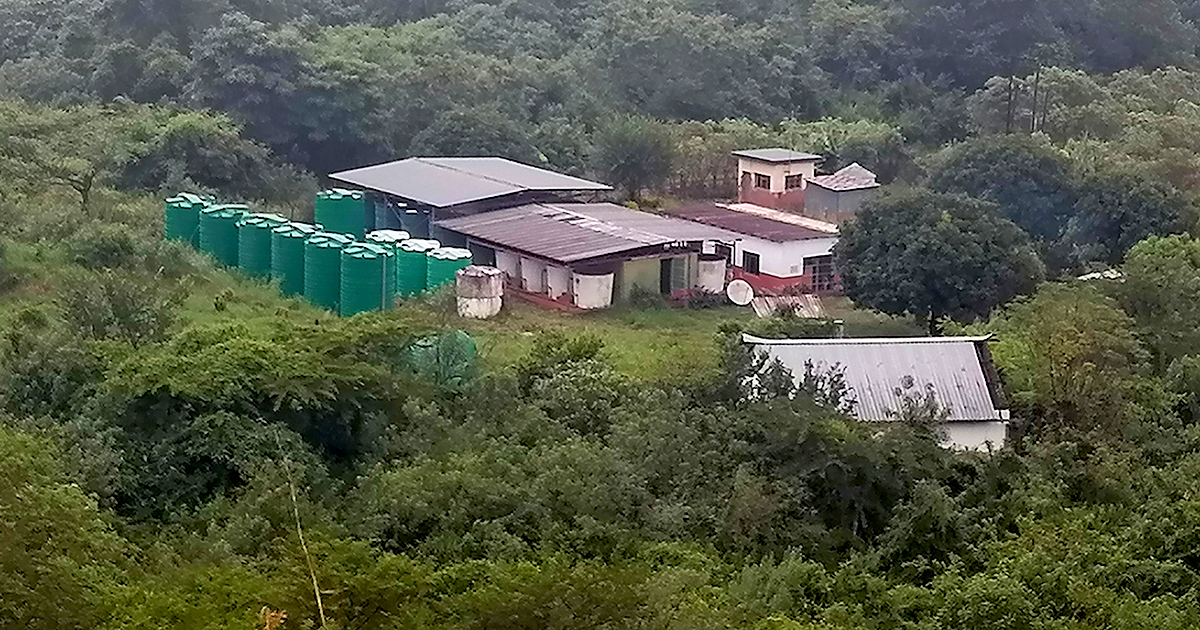
According to Joel Mulaudzi, secretary of the Tshakhuma South African National Civic Organization, the necessary resources exist. The area has two water-purification plants, seven water reservoirs and the Tshakhuma Dam. If the VDM maintained the existing infrastructure regularly, the community members say, they would not have to share water with the wild animals as they are still doing after all this time.
VDM spokesperson Mr Matodzi Ralushai said the municipality was in the process of purifying water for the community. "Technical service teams are on-site, monitoring and checking areas that are not receiving water," he said.
When the Tshakhuma community realised in 2010 that they were not getting proper water services from the VDM, residents contributed money from their own pockets to buy equipment to connect water from nearby water sources at the Mangwele mountain. "Instead of protesting about the lack of service delivery from the municipality, we decided to contribute towards buying water equipment and connecting this to natural water sources up the mountain. Yes, we are constantly getting water from this connection, but this is detrimental to our health. Remember, wild animals up in the mountain also drink from that water," said Osliy Nyamande, one of the community members.
Nyamande explained that the water flowed directly from the mountain to the community and did not go through a purification process. This, he said, left the community vulnerable to water-borne diseases.
Limpopo Mirror was shown one of the purification plants situated near the Tshakhuma Dam which, the community members claim, does not function around the clock. According to the residents, the plant operators leave at the end of the day, which means that the purification plant stops pumping water until the operators return the next day. "Once the plant operators leave, the plant stops working, meaning that the reservoirs do not get enough water. This ultimately affects the community. We run without water for weeks at a time," said Nyamande.
The community members feel that they do not need new projects or infrastructure. All they need is a team to deal with the maintenance of water pipes, full-time operators to pump water, full-time security officers, and permanent appointments for the three volunteers who had been working at the plant for nine years.