
For many parents, the promise of smaller classes, better discipline and quality tuition draws them to private schools. But for some, that promise comes with a hidden risk: their children attend schools that are not legally registered, leaving them outside the official education system and in limbo if closures occur.
The problem is not new. On 9 April 2024, the Limpopo Department of Education closed Ziggy Primary School in Mpheni after discovering it had been operating for years without proper registration. Ninety-six learners from Grades R to 5 had to be placed in public schools, including Muthuhadini Combined School.
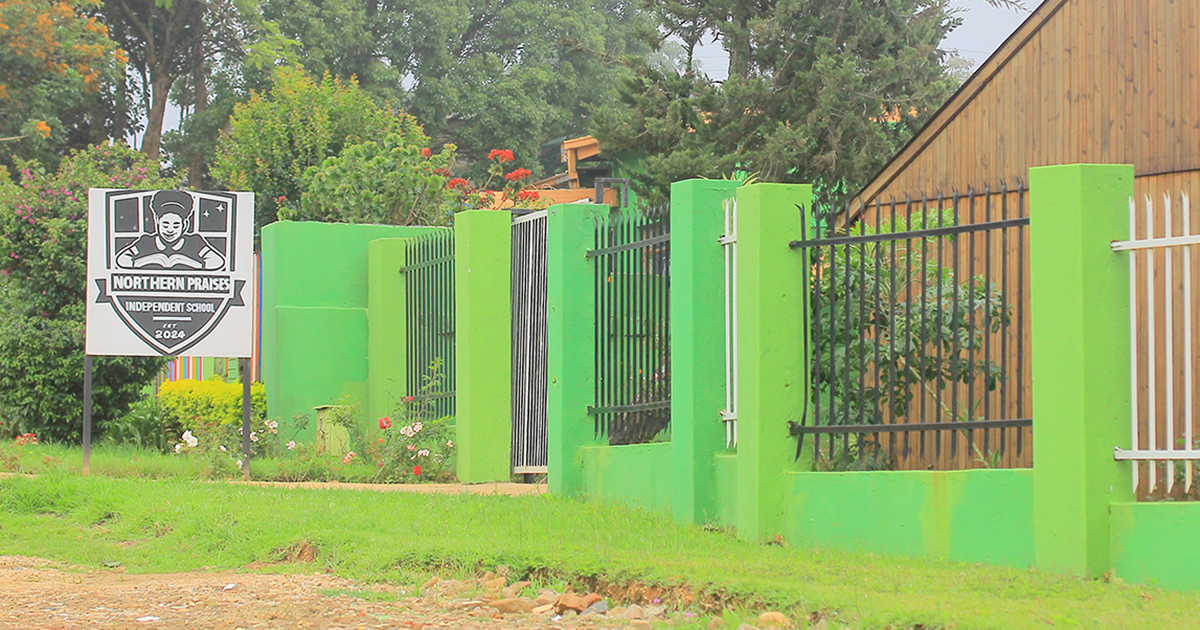
On the same day, Jungle Club near Rivoni, which had 40 learners from Grades R to 3, was also shut down. Both closures followed articles published by Limpopo Mirror and GroundUp. Since then, learners from other local independent schools, including Northern Praises, have been left in limbo.
Operating an unregistered school is illegal. Learners do not receive EMIS numbers, which track progression, assessments and matriculation. Without these safeguards, their right to education is at risk.
School owners cite slow and frustrating registration process
But are the owners of these private schools solely to blame?
School owners in Elim and surrounding areas say the registration process is slow, opaque and frustrating. Maureen Olivier of Jungle Club said she had been “sent from pillar to post” by the department. “It seems the department is dragging its feet to register us. They said Early Childhood Development (ECD) centres and primary schools cannot be combined, yet combined public schools still exist. Parents still call to ask when we will reopen, but the department is making it very difficult,” she said.
Mokgadi Ramalebana, founder of Northern Praises, said the school requested an inspection, and an official visited on 6 June 2024 with representatives from various education departments. “They inspected the school and told us to write a letter to the district explaining our situation. They said we would hear from the district, but we have still not received any response,” she said.
Ramalebana added that the school first applied for registration in 2018. “We continue operating despite the challenges because the department is making it difficult for us to register. Parents know the school is not registered, but we have assured them that the application process is ongoing.”
Parents and principals caught in the middle
Parents are caught in the middle. Phophi Raphulu, whose two children attend Northern Praises, said: “We were told the school was in the process of registration, and we really appreciate the quality of education they provide. We hope the school can continue up to Grade 7. It stresses us to transfer our children to other schools.”
Ziggy Primary’s principal, Noah Mutizira, said the school applied in 2021 and submitted a file that was accepted and stamped by the Circuit. He described the impact of bureaucratic delays: “Our registration file went missing at the provincial office. After the closure, we were left with debts as we still had to repay school fees to parents. More than 100 learners were left in limbo.”
Education rights concerns and lack of official clarity
Education rights experts warn of wider implications. Zeenat Sujee, Head of Education Rights at Section27, said: “Independent schools must follow proper procedures. Many unregistered schools operate without qualified teachers, policies, or codes of conduct, putting learners at risk. Learners may be unable to complete the NSC matric exam, which would prevent them from registering at tertiary institutions.”
Sujee said some unregistered schools also enrol undocumented learners, limiting access to public schools and further jeopardising their right to basic education. Independent schools are governed by the South African Schools Act, which gives provincial departments oversight while respecting private institutions’ independence.
Attempts to clarify the registration process have proved frustrating. Limpopo Mirror contacted Education spokesperson Mike Maringa in September 2025 about closures and registration requirements. Several follow-ups were ignored. Maringa later referred the query to the MEC’s media liaison officer, Isaac Mahlangu, who said he had been “frustrated by the lack of cooperation from the relevant department and district directors, who have not responded since last year despite repeated follow-ups.”
On 5 February, Maringa said the department would attend to the matter but questioned the schools’ claims. “You cannot have a grade that is not accredited. Grades progress every year, and both the department and the schools you mentioned are aware of this. They have been spoken to,” he said.