
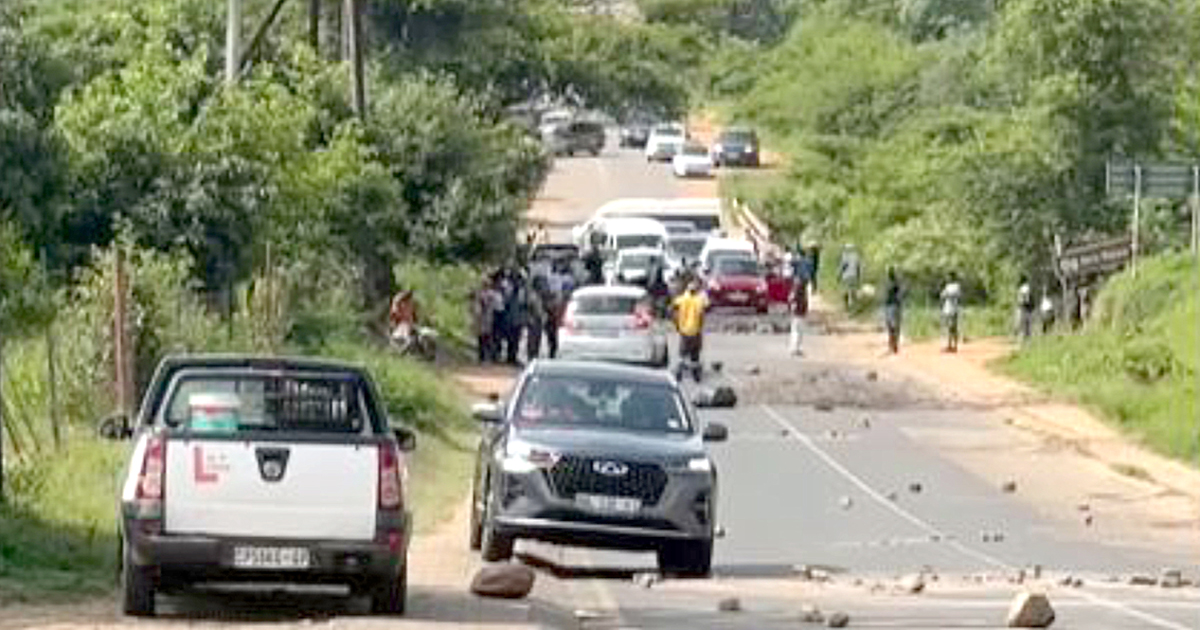
Residents of Vuwani and six surrounding villages have called on Eskom to end load-reduction, saying ongoing power cuts were damaging appliances and disrupting daily life. Since Monday, 8 December, they have blocked roads with tree branches and stones.
The protesters said they had endured nearly seven months of daily two-hour power cuts, despite audits conducted by Eskom. Load-reduction targets communities where transformers and networks are under severe strain due to ageing equipment, illegal connections, or infrastructure damage.
"Our cries have fallen on deaf ears. We agreed to an audit, and it was conducted, but for some of us, electricity was cut during the process. Yet nothing has changed. Some of our appliances, such as fridges, water pumps and microwaves, have been damaged when power returned," said Rudzani Sinthumule.
While Eskom says the measure is aimed at stabilising the network and preventing catastrophic failures, many communities describe it as unfair and prolonged. Makondelela Murovhi, chairperson of the Vyeboom Community Organisation, added: "It has been seven months, and we have received no explanation. We have tried repeatedly to reach Eskom, but nothing has changed. We are fed up, and Eskom no longer answers our calls."
During the protests, some Somali-owned spazas and Indian-owned shops were allegedly looted. Vhembe police spokesperson W/O Vuledzani Dathi said two men, aged 39 and 49, had been arrested for public violence and contravening the Firearms Act.
Eskom spokesperson Takie Thenga confirmed that load-reduction is ongoing. He explained that Eskom carefully calculated electricity supply to areas including Nzhelele, Nesengani, Tshino and surrounding villages.
"We know, for example, if we supply 100 watts to Nzhelele, we can calculate how much can be safely distributed to nearby villages. Load reduction is not only happening in Vuwani, but in other areas as well," he said.
Thenga added that audits and awareness campaigns were continuing. "Those found guilty of illegal connections were fined. Some paid, but others reconnected electricity themselves. If audit results reach more than 50%, we can cancel load reduction. However, some households reconnected illegally, so the threshold has not been met," he said.