
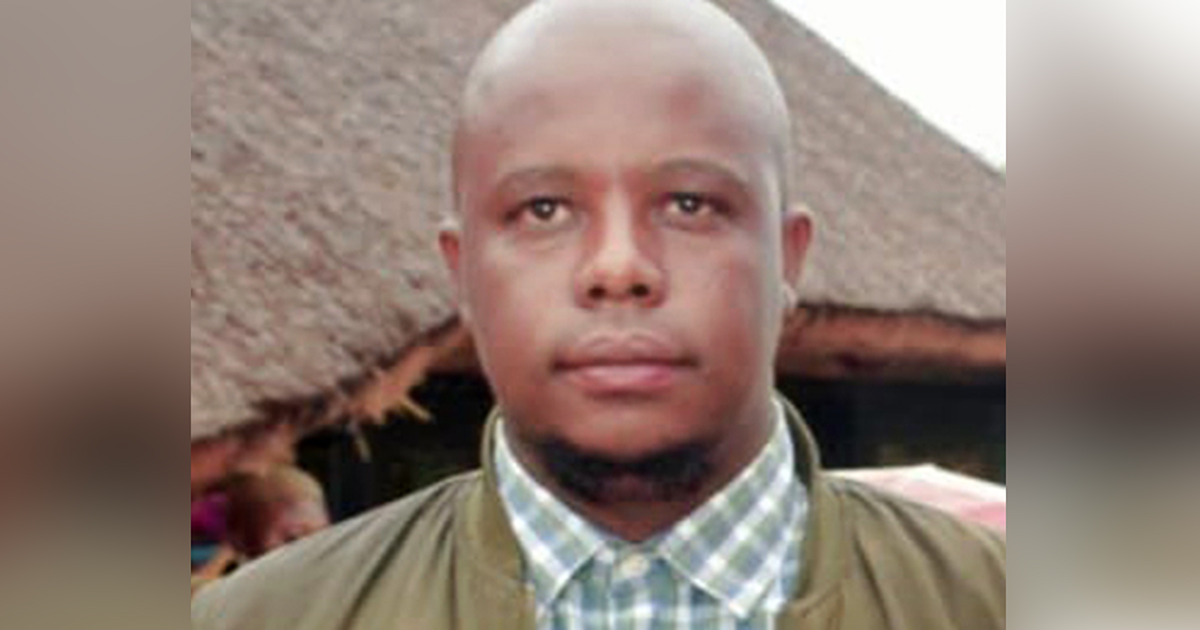
The battle to decide who the legitimate leader of the Masia clan is, may move to the courts. Even though the current leader was appointed 16 years ago, a new contender believes that this was a mistake and that the proper customs were not followed. He now wants to approach the court to rectify what he believes was a flawed process.
At the end of December last year, Rolindela Ben Masia, who claims to be the legitimate prince of the Masia Royal Family, wrote a letter to the senior traditional leaders in which he instructs them to rectify the situation.
He claims to be the eldest son of the former senior leader, the late Thovhele Ramauba III and Mrs Tshepo Merriam Masia. When his father died on 29 April 2004, he was still underage. He argues that, instead of appointing a regent to act as leader until the rightful heir came of age, the royal family decided to appoint his late father's younger brother as new ruler. In 2007, Mbangiseni Joseph Masia was inducted as the new senior traditional leader.
Rolindela Masia states in his letter to the family that it is customary practice, not only among the Vhavenda but also among many other African tribes, that a child of the leader succeed him. "It is wrong and against trite customary tradition to appointment a surviving brother as incumbent chief of the throne left vacant by his deceased senior brother when [a] fit and proper heir is available," he says.
To strengthen his argument, he points out that his father succeeded his grandfather, Thovhele TT (Oubaas) Masia, who in turn was the son of the previous leader, Thovhele Ramauba II (Xipandamaribyi). "This has been family tradition from time immemorial and for it to be dispensed with on arbitrary and invalid grounds requires or calls for superficial censure," he says.
According to Mr Goodright Masia, who describes himself as a senior member of the Masia royal family, Rolindela has a legitimate claim to the leadership position. He explained that Thovhele Ramauba III had had only one wife. When Ramauba died in 2004, he left behind his wife and son, Rolindela Ben Masia.
Goodright Masia believes that the process to appoint a new leader was flawed and he even believes bribery was involved. He said that when the decision had been made to appoint a new leader, not all members of the royal family had been invited to the meeting.
"[At the time] I was surprised when the chairperson of the royal family, Christopher Masia, announced that Mbangiseni was identified as successor to the deceased," he said. He said that this decision was contrary to the Vhavenda custom that prescribes that a man cannot succeed his own brother as traditional leader. "The womb of a woman cannot bear two traditional leaders," he said.
As to why they had waited almost 16 years to challenge the appointment of Mbangiseni Joseph Masia as ruler, Goodright Masia said that at first the young man had been underaged. When he came of age, he tried to resolve the matter internally, by engaging the royal family members. "He believed that the appointment of his uncle was only a temporary measure and that the family would do the right thing by appointing him," explained Goodright Masia.
"Our family knows who the rightful heir is. I think the truth will soon prevail, and he will take his rightful place. Rolindela is old enough to take his place now," he said.
In spite of giving the Masia Royal Family only 30 days to respond and address the matter, not much has happened. Goodright Masia said last week that the matter now lay with their lawyers, as they wanted to have the decision to appoint Mbangiseni Joseph Masia as senior leader reviewed.
Questions about the leadership dispute were sent to the Limpopo Department of Co-operative Governance, Human Settlements & Traditional Affairs (CoGHSTA). After waiting several weeks for a response, the department's spokesperson, Tsakani Baloyi, said that strict processes were followed when appointing senior traditional leaders.
"The process starts with the Royal Family meeting," she said. This is the body tasked with deciding who should ascend to the throne. "Departmental officials are invited to this meeting where the senior traditional leader is selected. The Royal Family will then formally (in writing) inform the department of their decision. The department will then process the request of the Royal Family for recognition of the person submitted. The government only recognises the senior traditional leader after all the processes are followed," she said.
Baloyi confirmed that Thovhele Masia was recognised in 2006, based on the information submitted by the Masia Royal Family. "The Royal Family will be having all the records pertaining to the appointment of Thovhele Masia," she added.
Several efforts to get comment from the Masia royal family were unsuccessful.